
An in-depth exploration of wetland hydrology, emphasizing its critical role in ecosystem sustainability and biodiversity.
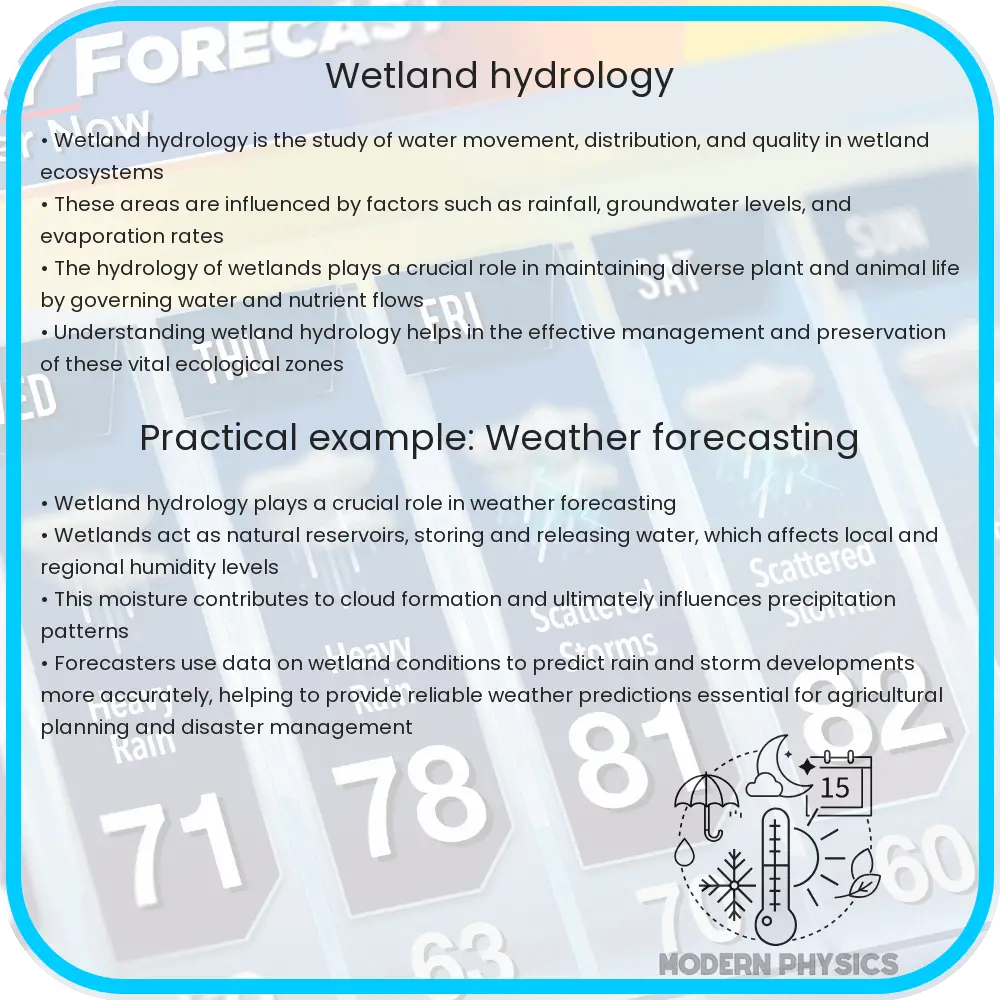
Understanding Wetland Hydrology: The Basis of Ecosystem Sustainability
Wetland hydrology encompasses the study of water sources, movements, and effects within wetlands, which are dynamic systems where water is the primary factor controlling the environment and the associated plant and animal life. These unique ecosystems play significant roles in supporting biodiversity, purifying water, and buffering against extreme weather events like floods and droughts.
The Dynamics of Water in Wetlands
At the heart of wetland functionality is the hydrologic cycle, which involves the inflow, storage, and outflow of water. The sources of water for wetlands can be varied, including precipitation, surface water from lakes and rivers, and groundwater from aquifers. Each of these sources contributes to the overall water balance that dictates not only the presence of water but also its chemical composition and temperature.
Water movement in wetlands is generally slow and can be bidirectional. This slow movement favors the deposition of sediments and the accumulation of organic matter, which are crucial for the wetland’s structural formation. Moreover, the slow water flow facilitates extensive water-soil interactions that significantly enhance the wetland’s capability to filter pollutants from the water.
Sustainability and Ecological Importance of Wetlands
Wetlands are among the most productive ecosystems on the planet, offering a host of environmental benefits. They support high levels of biodiversity, providing habitat for a diverse range of flora and fauna. Many species of birds, fish, mammals, and invertebrates rely on wetlands for all or part of their life cycles.
Beyond biodiversity, wetlands contribute to the purification of water by filtering out sediments, nutrients, and pollutants, thus improving the quality of downstream water bodies. Furthermore, wetlands can store vast amounts of water, which helps mitigate the effects of flooding. Conversely, during dry periods, they release stored water, aiding in drought alleviation.
Management Challenges in Wetland Hydrology
Managing wetlands effectively requires an in-depth understanding of their hydrological processes, which can be influenced by both natural variability and human activities. Changes in land use, water diversion for agriculture, urban development, and climate change pose significant threats to wetland ecosystems.
Effective wetland management strategies must consider the dynamic nature of water flow and storage, aiming to preserve or restore natural water regimes. This often involves measures such as the regulation of water levels, restoration of hydrological connectivity, and control of invasive species.
Understanding and managing the hydrologic balance of wetlands is essential not only for the conservation of these ecosystems but also for the sustainability of their ecological functions and services. The integration of hydrological data and ecological insights is fundamental for formulating effective management policies that can withstand the challenges posed by a changing environment.
Case Studies in Wetland Hydrology
Examining specific case studies can illustrate the practical applications of wetland hydrology principles. For instance, the Everglades in the United States and the Pantanal in Brazil offer insights into managing vast wetland systems with differing hydrological dynamics and environmental pressures.
- The Everglades: Known as the “River of Grass,” this wetland ecosystem is heavily impacted by upstream water control and diversion for urban and agricultural uses. Restoration efforts focus on re-establishing the historical flow of water to prevent further degradation.
- The Pantanal: This is one of the largest freshwater wetland ecosystems in the world. It experiences significant seasonal variations in water levels, which are crucial for maintaining its biodiversity. Conservation efforts are geared towards maintaining the natural flood pulse essential to the ecosystem.
Each case reflects the necessity to adapt management strategies to the specific hydrological and ecological conditions present, demonstrating the complexity and importance of tailored wetland conservation approaches.
Importance of Community Involvement and Education
For effective wetland management, the involvement of local communities and ongoing public education plays a crucial role. People living near wetlands can provide valuable insights and participate in conservation efforts, leading to more sustainable local development and improved ecosystem services. Educational programs can raise awareness about the importance of wetlands, fostering a culture of conservation and responsible natural resource management.
Technological Advancements in Monitoring Wetland Hydrology
Advancements in technology, such as remote sensing, GIS (Geographic Information Systems), and IoT (Internet of Things) sensors, have revolutionized the monitoring and management of wetland areas. These technologies allow for real-time data collection and analysis, enabling a more adaptive and precise management approach to maintaining the hydrological balance in these sensitive ecosystems.
- Remote Sensing: Satellites and drones provide aerial images that help in mapping wetland extents and monitoring changes over time.
- GIS: Integrates multiple data sources to perform spatial analysis, helping in decision making and ecological planning.
- IoT Sensors: Deployed in situ to monitor various water quality parameters and water level changes, providing continuous data feeds.
Conclusion
Understanding wetland hydrology is crucial for the protection and sustainable management of these precious ecosystems. The dynamic interplay between water sources, movements, and ecological functions outlines the basis for their sustainability and ability to support diverse life forms and provide essential services. Challenges posed by human activities and environmental changes necessitate integrated management approaches that include technological tools, community involvement, and comprehensive policy frameworks.
With the help of detailed case studies and advancements in monitoring technologies, we can better understand and address the complexities of wetland hydrology. Through concerted efforts to conserve and restore wetland areas, not only can we protect biodiversity and improve water quality, but we can also enhance the resilience of these ecosystems against the impacts of climate-related and anthropogenic stresses. Ultimately, wetlands embody a critical part of our natural heritage, requiring our commitment to their stewardship for the benefit of current and future generations.