
An in-depth exploration of smart textiles, focusing on their innovative, durable, and eco-friendly attributes within the textile industry.
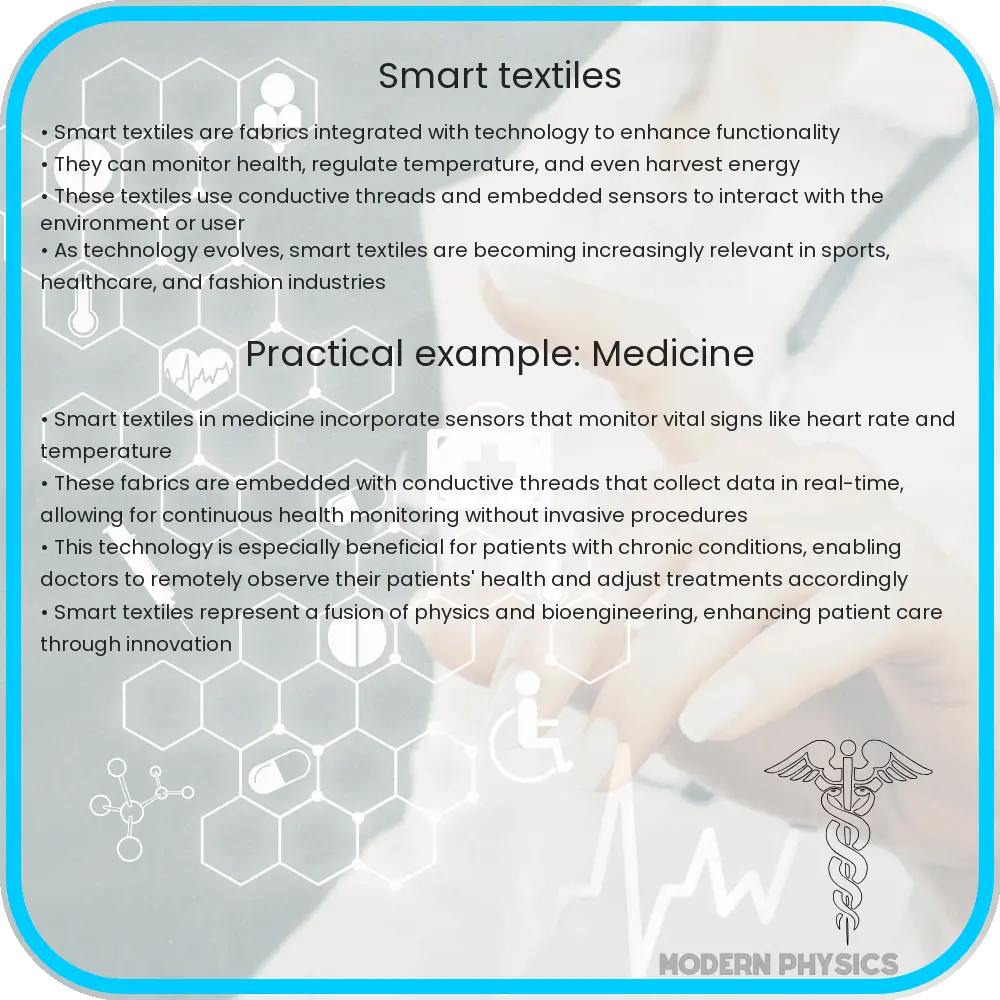
Understanding Smart Textiles: The Fusion of Innovation, Durability, and Eco-friendliness
Smart textiles represent a revolutionary leap in the textile industry, integrating the latest advancements in physics and engineering to create fabrics that are innovative, durable, and environmentally friendly. These textiles are not merely fabrics but are dynamic interfaces that can sense and respond to environmental conditions or stimuli from the human body.
What are Smart Textiles?
Smart textiles, also known as e-textiles, incorporate conductive materials and electronics to imbue traditional fabrics with technological functionalities. These textiles can perform a wide array of functions, from monitoring health and biometric data to changing color and improving thermal comfort, depending on their inherent properties and the technologies embedded within them.
Types of Smart Textiles
- Passive Smart Textiles: These are the simplest form of smart textiles, which can only sense the environment. For example, fabrics that change color with UV light or temperature.
- Active Smart Textiles: Active textiles have both sensing and actuating functions. They can react or change in response to stimuli from the environment, such as self-heating fabrics.
- Ultra-Smart Textiles: These textiles incorporate a sense, actuate, and control function, allowing them to adapt their behavior dynamically. They could potentially support sophisticated functions like integrating OLED screens or health monitoring systems directly into fabric.
Eco-Friendly Aspects of Smart Textiles
One of the most compelling aspects of smart textiles is their potential in promoting environmental sustainability. Manufacturers are increasingly focusing on using biodegradable materials and incorporating processes that reduce chemical use, water wastage, and carbon footprint. For instance, the integration of photovoltaic cells into clothing for energy harvesting uses renewable energy sources, thus reducing the dependency on fossil fuels.
Engineering Durable Smart Textiles
Durability in smart textiles is paramount, particularly as these materials find applications in various demanding environments. Engineering these textiles involves the use of advanced materials science techniques to ensure that the embedded electronics can withstand regular wear and tear, washing, and environmental conditions like heat and moisture. The inclusion of nanomaterials has been pivotal in enhancing the strength and longevity of these textiles while maintaining flexibility and functionality.
The application of smart textiles is vast and spans across multiple industries including healthcare, sports, military, and fashion. Innovations in this field continue to push the boundaries of what our clothes can do, effectively transforming the way we interact with electronics and data in our daily lives.
The exploration of smart textiles highlights an intriguing blend of disciplines, where physics meets design and technology meets textile craftsmanship. As we delve deeper into the specifics, it becomes evident that the potential of smart textiles is not just in their functionality but also in their ability to harmonize with environmental and sustainability goals.
Future Trends in Smart Textiles
The future of smart textiles looks promising with ongoing advancements and innovations. Researchers and developers are exploring new ways to integrate sensors, connectivity, and energy sources seamlessly into textiles. This could lead to even more sophisticated garments capable of everything from adjusting their properties in real-time for optimum comfort, to offering advanced interactive experiences through embedded augmented reality components.
As technology evolves, we may see the rise of textiles that can harvest energy from the body’s own heat or movement, potentially powering devices or recharging batteries. Furthermore, advancements in nanotechnology and biotechnology could lead to fabrics that enhance skin health, offer antibacterial properties, or even release medications through the skin in response to biofeedback.
Challenges and Considerations
Despite the bright prospects, there are several challenges that need addressing to enhance the widespread adoption of smart textiles. High manufacturing costs, maintaining user privacy and security, especially in textiles that collect and transmit data, and ensuring long-term reliability are chief among these concerns. Additionally, the ecological impact of discarded electronic-enhanced garments is still a topic under scrutiny and calls for more sustainable disposal and recycling methods.
Moreover, for smart textiles to reach their full potential, interdisciplinary collaboration among scientists, engineers, designers, and the fashion industry is crucial. This cooperation will ensure that the production of smart textiles is not only technologically feasible but also economically viable and fashionably appealing.
Conclusion
Smart textiles are paving the way for a future where fabric is no longer passive but a dynamic interface that enhances human interaction, health, and environmental sustainability. By blending the insights from physics and engineering with the art of textile design, these innovative fabrics are set to revolutionize our daily lives. As we continue to push the boundaries of what textiles can offer, smart textiles exemplify a fantastic fusion of technology and functionality, crafting not just wearable technology, but wearables that care for both people and the planet.
Whether it’s the health-monitoring shirt, the energy-harvesting jacket, or the temperature-regulating trousers, the possibilities with smart textiles are as limitless as the creativity and technological savvy of those who develop them. To anyone fascinated by the merging of cutting-edge technology with everyday objects, smart textiles offer a thrilling glimpse into the future of clothing and wearable technology. Embracing these developments can lead to not only more interactive and personalized apparel but also a leap towards more sustainable living practices globally.