
Fiber optic connectors ensure fast, efficient, and durable data transmission over long distances, critical for modern high-speed communication systems.
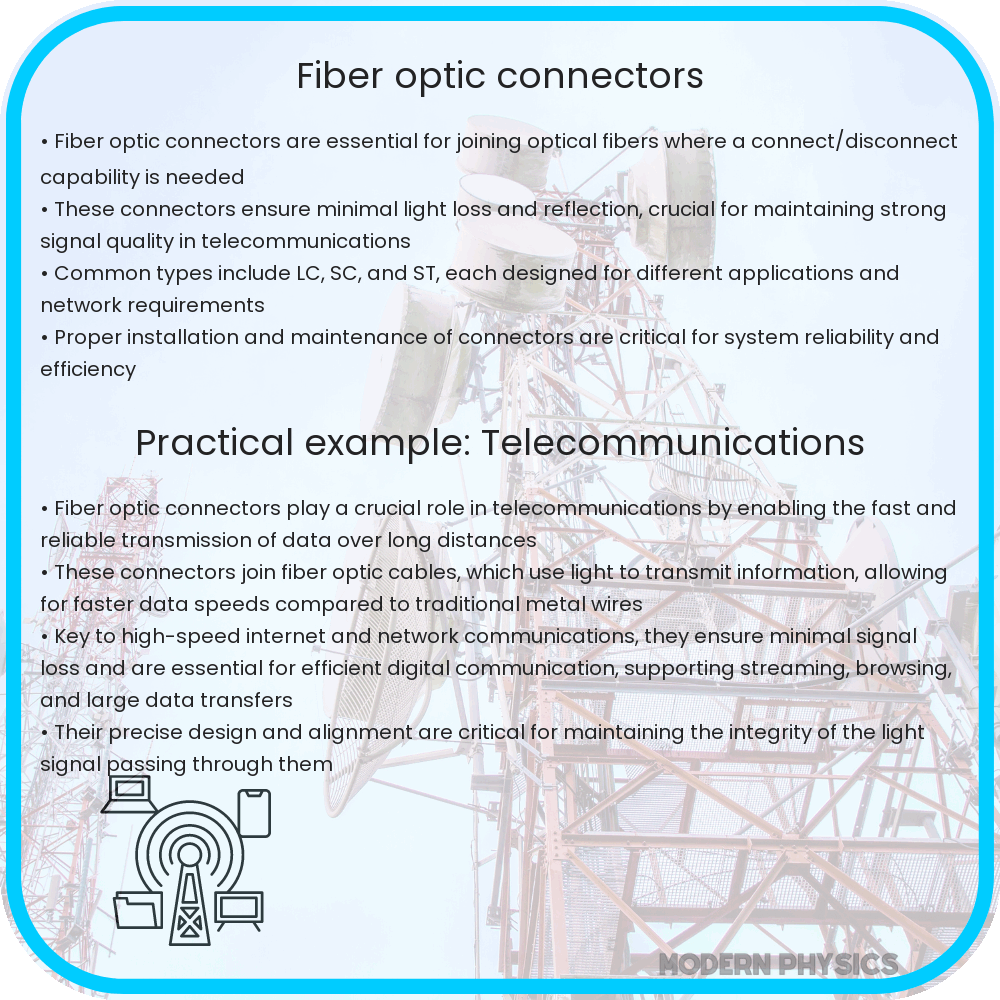
Fiber Optic Connectors: Speed, Efficiency & Durability
Fiber optic technology has revolutionized the field of communication by providing fast, efficient, and durable transmission of data over long distances. At the heart of this technology lie fiber optic connectors, which play a critical role in ensuring seamless data transmission. In this article, we’ll explore the speed, efficiency, and durability of fiber optic connectors, shedding light on their fundamental importance in modern communication systems.
Speed of Fiber Optic Connectors
One of the most significant advantages of fiber optic technology is its speed. Unlike traditional copper cables, fiber optics use light signals to transmit data. This allows for data transfer at incredibly high speeds, often reaching several gigabits per second (Gbps). The connectors themselves are designed to maintain this high-speed transmission by ensuring minimal signal loss and reflection.
- Minimal Signal Loss: Fiber optic connectors are engineered to align fibers precisely, minimizing the loss of signal power that can occur at connection points.
- Low Reflection: Properly designed connectors reduce back reflections, which can cause interference and degradation of the signal.
The precision of these connectors ensures that the speed capabilities of fiber optic cables can be utilized to their fullest potential, making them ideal for applications such as high-speed internet, cable TV, and telecommunications.
Efficiency of Fiber Optic Connectors
Efficiency in data transmission is another key benefit of fiber optic connectors. Efficiency here refers not only to the speed of data transfer but also to the ability to maintain signal integrity with minimal energy loss.
- High Bandwidth: Fiber optics provide a much higher bandwidth compared to traditional metallic cables, meaning they can carry more data simultaneously.
- Longer Distance Transmission: Due to their efficiency in maintaining signal integrity, fiber optic connectors allow data transmission over much longer distances without the need for signal boosters or repeaters.
- Cost-Effectiveness: Though the initial cost of installing fiber optic systems can be high, the efficiency and low maintenance requirements make them cost-effective in the long run.
These properties make fiber optic connectors highly efficient for various applications, from residential internet services to large-scale industrial communication networks.
Durability of Fiber Optic Connectors
The durability of fiber optic connectors is crucial for maintaining reliable communication systems. They need to withstand environmental factors and physical stress while ensuring consistent performance. Here are some aspects that contribute to their durability:
- Robust Design: The materials used in fiber optic connectors are engineered to be robust and resilient, protecting the delicate fibers within them.
- Resistance to Environmental Factors: These connectors are often designed to resist various environmental factors such as moisture, temperature fluctuations, and mechanical stress.
- Maintenance and Longevity: With proper installation and minimal maintenance, fiber optic connectors can have a long operational life, providing reliable performance over many years.
Types of Fiber Optic Connectors
Fiber optic connectors come in various types, each designed for specific applications and requirements. Understanding these different types can help in selecting the right connector for a given use case. Here are some common types of fiber optic connectors:
- SC (Subscriber Connector): Known for its push-pull mechanism, the SC connector is commonly used in datacom and telecom applications. It is simple to use and provides excellent performance.
- LC (Lucent Connector): LC connectors are smaller in size, making them ideal for high-density connections. They are often used in data centers and networking equipment.
- FC (Ferrule Connector): FC connectors are highly durable and are often used in applications requiring high mechanical stability. They have a screw-type interface that ensures a secure connection.
- ST (Straight Tip): ST connectors are one of the oldest types and are still used in many legacy systems. They have a bayonet-style coupling mechanism, which requires a twist and lock action for connection.
Installation and Maintenance of Fiber Optic Connectors
Proper installation and maintenance are crucial for the effective performance of fiber optic connectors. Here are some best practices to ensure optimal functionality:
- Cleanliness: Ensuring that the connectors and fiber ends are clean before making a connection is vital. Any contamination can cause significant signal loss.
- Proper Handling: Fiber optic cables and connectors should be handled with care to avoid any damage to the delicate fibers.
- Secure Connections: Ensure that connectors are fully inserted and locked in place to prevent accidental disconnection.
- Regular Inspections: Periodic inspections can identify any potential issues before they lead to significant problems, ensuring long-term reliability.
By following these practices, one can maintain the efficiency and longevity of fiber optic networks, ensuring seamless data transmission.
Conclusion
Fiber optic connectors are a cornerstone of modern communication systems, offering unparalleled speed, efficiency, and durability. Their precise design minimizes signal loss and reflection, allowing for high-speed data transmission. The high bandwidth and long-distance capabilities of fiber optics make them an efficient choice for various applications, from residential internet to large-scale industrial networks. Additionally, their robust design and resistance to environmental factors ensure long-term durability, making them a cost-effective and reliable option.
Understanding the different types of fiber optic connectors and following best practices for installation and maintenance can further enhance their performance. As technology continues to advance, the role of fiber optic connectors will only grow in importance, driving the future of communication.