
Electrolyzers are pivotal in sustainable energy, optimizing hydrogen production through innovative design and efficiency advancements.
Understanding Electrolyzers: Pioneering Efficient, Scalable, and Cost-Effective Energy Solutions
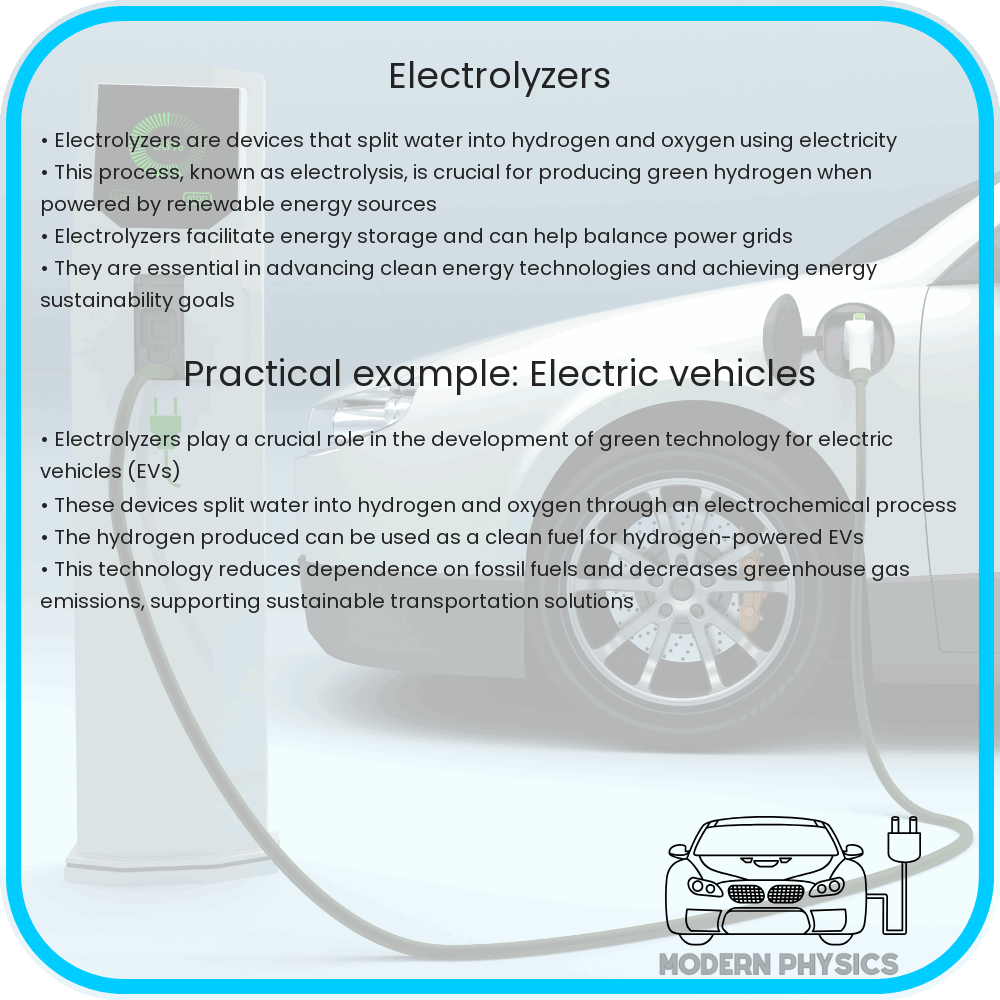
Electrolyzers are at the forefront of innovative technology for generating hydrogen, an increasingly vital component in the quest for cleaner energy sources. This technology, which splits water into hydrogen and oxygen using electricity, holds the key to not only advancing renewable energy systems but also to creating a sustainable and efficient energy landscape. In this article, we explore the workings, efficiencies, scalability, and cost-effectiveness of electrolyzers.
The Basics of Electrolyzer Technology
An electrolyzer operates through an electrochemical process where electrical current is passed through water (H2O), causing it to split into its basic components, hydrogen (H2) and oxygen (O2). This process, known as electrolysis, can be represented by the simple chemical equation:
2H2O(l) + electrical energy → 2H2(g) + O2(g)
This electrochemical reaction occurs in a unit composed of an anode and a cathode submerged in a water-based electrolyte solution. The addition of electricity, typically sourced from renewable energies such as wind or solar power, drives the reaction, making the process environmentally friendly and sustainable.
Types of Electrolyzers
There are primarily three types of electrolyzers: Alkaline, Polymer Electrolyte Membrane (PEM), and Solid Oxide. Each type has distinct characteristics concerning efficiency, operating conditions, and preferred uses:
- Alkaline Electrolyzers: These are the most mature technology, known for their use in large-scale hydrogen production. They operate at relatively high efficiencies, typically between 60 to 70%, and require only water and electricity to function. However, they are typically larger and operate slower compared to other types.
- Polymer Electrolyte Membrane (PEM) Electrolyzers: These feature a solid specialty plastic material as an electrolyte, which allows for lower operating temperatures. They can start and stop rapidly, making them ideal for dynamic environments where electricity generation fluctuates. Efficiency can go up to around 80% under certain conditions.
- Solid Oxide Electrolyzers: These operate at much higher temperatures than other types. The high temperature significantly enhances the efficiency of the electrolysis process, potentially exceeding 80%. However, these devices require high-grade materials to withstand the operating environment, which may impact cost.
Improving the Efficiency of Electrolyzers
The efficiency of electrolyzers is a critical aspect in determining their economic viability and sustainability. Efficiency can be measured by how effectively electricity is converted into hydrogen, a key parameter for reducing operational costs. Innovations targeting the reduction of energy consumption, the optimization of operational conditions, and improvement in materials are central to advancing electrolyzer technology.
For instance, augmenting the catalytic activity of the electrodes can significantly lower the required energy input while maintaining high output. Additionally, enhancing the design of the cell to minimize heat loss and improve the conductivity of the electrolyte can further enhance overall system efficiency.
Scalability and Cost Considerations
For electrolyzers to play a pivotal role in the global energy transition, they must not only be efficient but also scalable and cost-effective. The scalability of electrolyzers involves the technology’s ability to be expanded to meet rising demands without a loss in efficiency or excessive increases in cost. This scalability is critical in applications ranging from small mobile generators to large stationary hydrogen production plants.
Cost-effectiveness, meanwhile, remains one of the biggest challenges. The initial capital expenditure for electrolyzer installations can be high, often influenced by the cost of materials like precious metals used in catalysts and special membranes or solid oxides. Furthermore, operational costs, primarily driven by energy input and maintenance, also need consideration. Reducing these costs through technological improvements and increased production scales is essential for broader adoption and implementation.
As the demand for sustainable and clean energy sources intensifies, developing advanced electrolyzers that combine efficiency with scalability and cost-effectiveness becomes ever more crucial. The next sections will delve deeper into recent advancements in electrolyzer technology, and how these are paving the way for a cleaner and more sustainable future.
Recent Advancements in Electrolyzer Technology
Technological advancements in the field of electrolyzers have been significant over the past decade. Researchers and engineers are continuously working to enhance the performance and durability of these systems. For instance, advances in nanotechnology have led to more effective catalysts that reduce the energy requirement for electrolysis without sacrificing output. Furthermore, the development of more robust membranes and implementation of innovative design refinements have increased the longevity and reliability of electrolyzer units.
Another noteworthy improvement comes from the integration of artificial intelligence and machine learning techniques to optimize the operation of electrolyzers. These technologies help in predicting maintenance needs, optimizing energy use, and managing the variable input of renewable energy sources in real-time, which significantly enhances operational efficiency.
Environmental Impact and Future Prospects
The shift towards hydrogen energy through electrolyzers not only focuses on energy efficiency but also emphasizes environmental protection. The adoption of hydrogen produced by electrolyzers as a clean alternative to fossil fuels could greatly reduce carbon emissions. This is particularly vital in heavy industries and transportation sectors where decarbonization is challenging yet crucial.
Looking forward, the role of governments and policy will be fundamental in shaping the hydrogen economy. Subsidies, regulations, and incentives aimed at reducing the cost of hydrogen production and facilitating infrastructure development will be essential to accelerate the adoption of hydrogen technologies.
Conclusion
Electrolyzers, with their capability to efficiently convert electrical energy into clean hydrogen, have a pivotal role in our sustainable energy future. Through continuous improvements in technology, such as enhanced electrolytic materials, advanced operational controls, and reduced costs, electrolyzers are becoming more viable for widespread use. The scalability and cost-effectiveness further add to their appeal as a cornerstone for a clean energy transition.
In summary, while challenges remain, the advancements in electrolyzer technology offer promising prospects for significantly impacting how we generate and utilize energy. With the ongoing research and supportive policies, the broader implementation of electrolyzers could lead to a greener, more sustainable world propelled by hydrogen energy. The journey of electrolyzers from experimental setups to mainstay energy solutions exemplifies the dynamic nature of technological progress in the quest for a cleaner, more efficient energy landscape.