
Explore the benefits of elastic waistbands for comfort and fit, understand their material science, and learn how to choose and care for them.
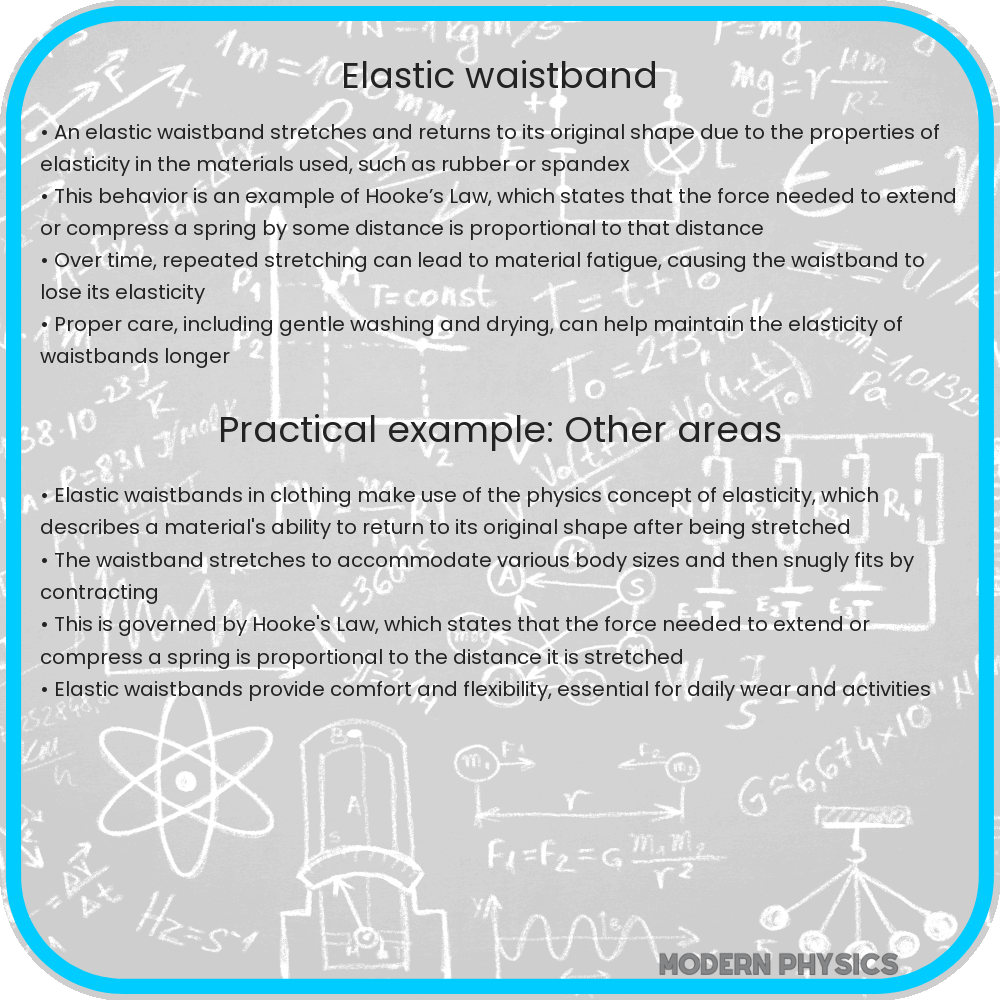
Elastic Waistbands: Enhancing Comfort and Fit
Elastic waistbands have revolutionized the way we think about clothing comfort and fit. This ingenious design feature, often found in a variety of garments such as pants, skirts, and underwear, incorporates elastic materials to provide a stretchable, yet snug fit around the waist. The elasticity not only offers comfort but also adapts to different body shapes and sizes, ensuring a personalized fit for each wearer.
Understanding the Mechanics of Elastic Waistbands
At the core of an elastic waistband’s functionality is its ability to stretch and contract. This is achieved through the integration of materials like elastane (also known as Spandex or Lycra®), rubber, or a blend of stretchable fabrics. These materials are interwoven with conventional fabrics, creating a waistband that can expand and return to its original size. This elasticity provides a comfortable grip around the waist without causing constriction or discomfort.
Benefits of Elastic Waistbands
Elastic waistbands offer several advantages, making them a preferred choice in various clothing items:
- Adaptability: They accommodate a range of body sizes, allowing for weight fluctuations without sacrificing comfort.
- Convenience: Easy to wear and remove, they are ideal for children, the elderly, and people with mobility issues.
- Uniform Fit: They distribute tension evenly, preventing areas of tightness or loose fit.
Static Load Support and Elastic Waistbands
Another significant aspect of elastic waistbands is their ability to support static loads. This feature is particularly beneficial in activewear and workwear, where consistent support is required despite movements or changes in body posture. The elastic material can stretch under pressure and recover its shape, providing sustained support throughout various activities.
The Science Behind Elasticity
The science of elasticity involves understanding how materials deform and recover under stress. Elastic waistbands typically rely on the unique properties of polymers, which are large, chain-like molecules found in elastane and rubber. These polymers are capable of extensive stretching and can return to their original state due to their molecular structure. The intermolecular forces within these polymers play a crucial role in their elastic behavior.
When designing elastic waistbands, manufacturers consider factors like the elasticity modulus, a measure of a material’s elasticity, and the tensile strength, indicating how much stress a material can withstand before breaking. The right balance between these factors ensures that the waistband is both comfortable and durable.
In summary, elastic waistbands are a testament to the blend of textile engineering and material science, offering unmatched comfort and fit. By understanding their mechanics and benefits, we can appreciate how these simple design features significantly improve our daily attire.
Material Composition and Comfort
The material composition of an elastic waistband is crucial for its performance. Typically, a blend of natural and synthetic fibers is used. Natural fibers like cotton provide breathability and softness, while synthetic fibers like polyester or nylon add strength and durability. This combination ensures the waistband is not only comfortable against the skin but also resilient enough to maintain its shape and elasticity over time.
Innovations in Elastic Waistbands
Recent advancements in textile technology have led to significant innovations in elastic waistband design. For example, some manufacturers are now incorporating moisture-wicking materials to enhance comfort, especially in activewear. Additionally, the use of eco-friendly, sustainable materials like organic cotton and recycled polyester is on the rise, catering to environmentally conscious consumers.
Choosing the Right Elastic Waistband
When selecting garments with elastic waistbands, it’s essential to consider the intended use. For sportswear, look for waistbands with higher elasticity and moisture-wicking capabilities. For everyday wear, prioritize comfort and choose waistbands with a balanced blend of natural and synthetic fibers. It’s also important to check the quality of the elastic; a good quality elastic waistband will not roll or twist after washing.
Challenges and Considerations
Despite their many benefits, elastic waistbands do present some challenges. Over time, the elastic can lose its stretchability, especially if the garment is not properly cared for. Exposure to high temperatures, either from washing or drying, can degrade the elastic fibers. It’s recommended to wash these garments in cold water and air dry when possible to prolong their life.
Conclusion
Elastic waistbands represent a perfect fusion of comfort, functionality, and innovation in the textile industry. By providing a customizable fit, accommodating various body types, and supporting active lifestyles, they have become an indispensable feature in modern clothing. As technology advances, we can expect to see even more improvements in their design and material composition, making them an even more integral part of our wardrobes. The key to enjoying the full benefits of elastic waistbands lies in choosing the right type for your needs and taking proper care of them. With these considerations in mind, elastic waistbands will continue to enhance our clothing experience, offering comfort and flexibility for various activities and lifestyles.