
Learn about zeolites, versatile materials used for purification, catalysis, and environmental sustainability.
Understanding Zeolites: Versatile, Absorbent, and Eco-Friendly Materials
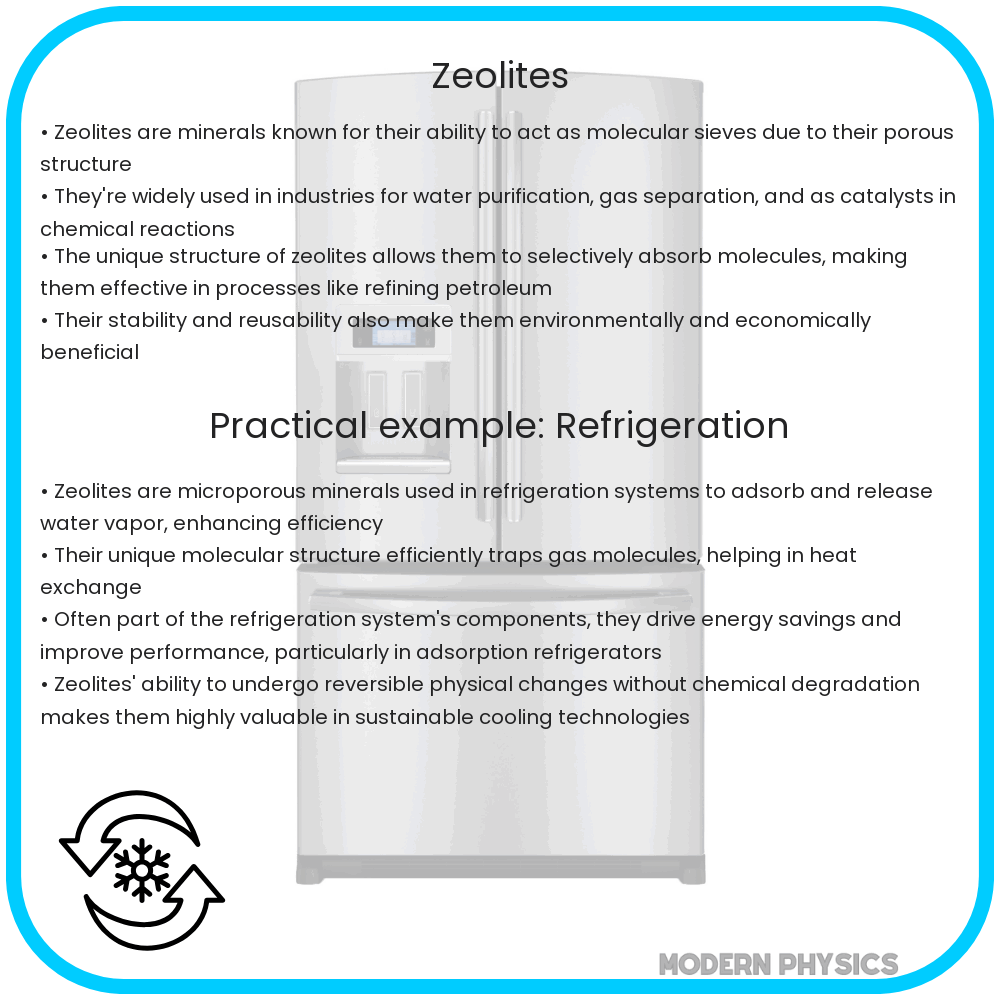
Zeolites are a fascinating group of minerals and synthesized materials that play a crucial role in various environmental, industrial, and scientific applications due to their unique properties. These crystalline compounds are primarily made of aluminum, silicon, and oxygen, and they are well-known for their stable, porous structures that can hold and release various substances. This makes zeolites extremely useful as catalysts, absorbers, and ion exchangers in myriad processes.
Formation and Structure
Zeolites naturally occur as minerals from volcanic rock and ash layers that have reacted with alkaline groundwater. However, most of the zeolites used industrially are synthetically produced to achieve higher purity and tailored structural characteristics. The basic unit of a zeolite structure is a tetrahedron, where a silicon or aluminum atom is surrounded by four oxygen atoms. These tetrahedra link together to form a three-dimensional lattice that includes channels and cavities. This structure is highly porous, making zeolites excellent at trapping molecules of specific sizes and shapes—a property known as “molecular sieving.
Applications of Zeolites
- Water purification: One of the key uses of zeolites is in water purification systems. They are employed to remove contaminants such as ammonia, heavy metals, and radioactive isotopes from water. Their ion exchange properties make them particularly effective in softening hard water by removing calcium and magnesium ions.
- Catalysis: In the petrochemical industry, zeolites serve as crucial catalysts that facilitate refining processes. For instance, they are involved in the catalytic cracking of petroleum into gasoline, diesel, and other important products. The high surface area and stability of zeolites allow them to speed up chemical reactions without being consumed in the process.
- Gas absorption: Zeolites are also widely used in gas separation and storage. Their porous structure can selectively absorb gases like carbon dioxide, sulfur oxides, and water vapor from air. This capability is pivotal in controlling pollution, enhancing air quality, and storing gases for industrial use.
Environmental Benefits
Zeolites are not only effective but also environmentally friendly. They contribute to sustainable practices in several ways. Due to their natural occurrence and ease of synthesis, zeolites are an abundant resource. More importantly, they are reusable. After their trapping capacity is exhausted, zeolites can be regenerated by heating, allowing them to release absorbed substances and become ready for reuse. This regenerative capability reduces waste and decreases the demand for raw materials.
Furthermore, the use of zeolites in environmental cleanup operations, such as oil spill remediation and radioactive waste isolation, underscores their significance in eco-friendly materials management. By converting harmful pollutants into benign materials or storing them securely, zeolites help mitigate environmental damage and promote sustainability.
Innovations in Zeolite Technology
The future of zeolites appears bright with ongoing advancements that expand their applications and effectiveness. New methods of synthesis are being developed to create zeolites with even more specific pore sizes and structural attributes. Custom-designed zeolites can target particular molecules more efficiently, opening up possibilities in sophisticated filtering, sensing, and separation technologies.
Moreover, researchers are exploring the integration of zeolites with other materials to enhance their properties. For instance, composites of zeolites and metals or polymers are being tested to improve mechanical strength, thermal stability, and chemical resistance of the base materials. These innovations not only extend the lifespan of zeolite-containing products but also broaden their use in extreme conditions.
Challenges and Research Directions
Despite their impressive capabilities, zeolites face certain challenges. One issue is the energy cost associated with the regeneration process, which often involves high temperatures and substantial energy input. Efforts are now underway to develop lower-energy regeneration techniques and improve the overall energy efficiency of zeolite-based processes.
Another area of focus involves enhancing the sustainability of zeolite production itself. Current research looks into using less toxic, lower-energy methods of synthesis and sourcing raw materials from waste streams. Such approaches aim to minimize the environmental impact of zeolite manufacturing while maintaining or even enhancing the beneficial properties of the final products.
Conclusion
Zeolites continue to be an indispensable component in the modern world. Their exceptional properties, such as molecular sieving and ion exchange, make them a vital part of various industrial, environmental, and scientific solutions. The ongoing research and innovations in zeolite technology are not only aimed at overcoming existing limitations but also at unlocking new potential uses that could revolutionize multiple sectors.
From cleaning water and air to advancing renewable energy technologies, zeolites play a multi-functional role that is increasingly crucial in our pursuit of sustainable and efficient material solutions. As we continue to confront global challenges, the versatility and adaptability of zeolites assure that they will remain a cornerstone of environmental and industrial applications for years to come.