
Explore the functions, benefits, and maintenance of ultrasonic humidifiers, devices using high-frequency vibrations to generate mist quietly and efficiently.
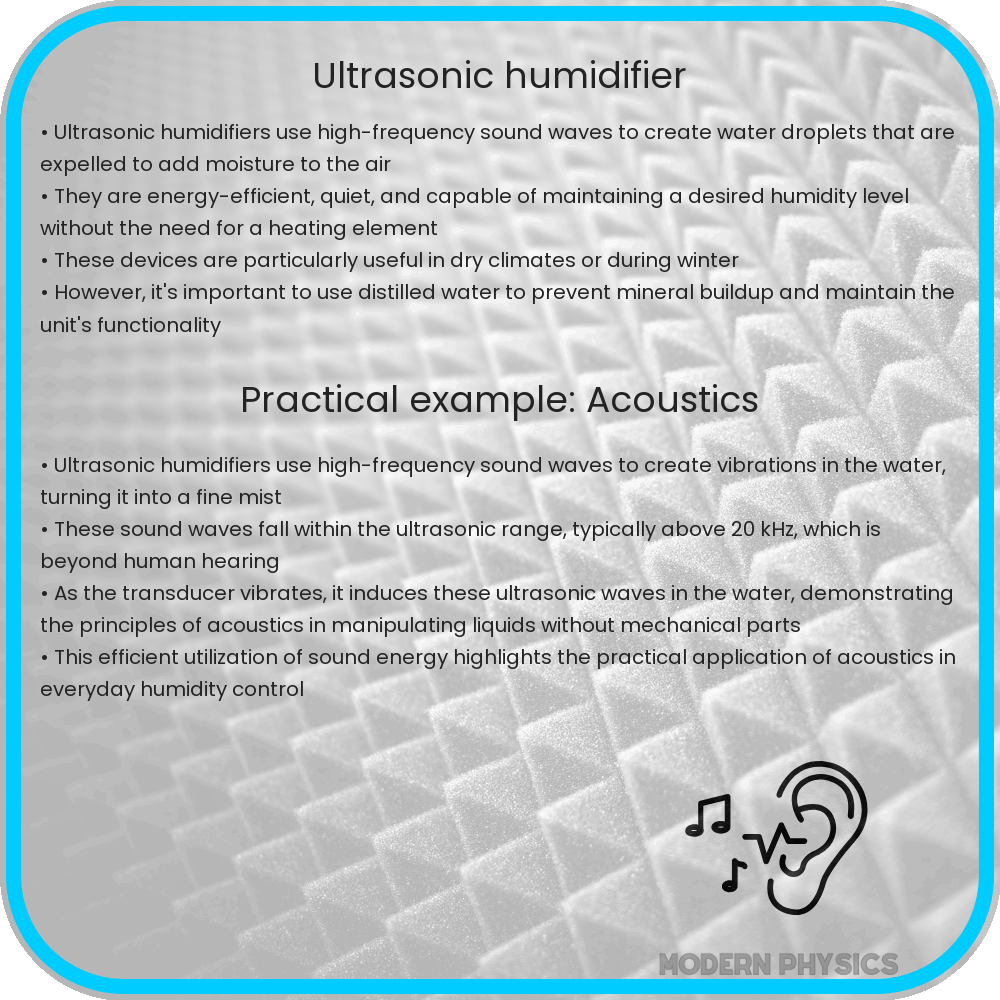
Understanding Ultrasonic Humidifiers: Quiet, Energy-Efficient, and Hygienic
Ultrasonic humidifiers have revolutionized the way we add moisture to dry indoor air, particularly in environments where silence and energy efficiency are paramount. Unlike traditional humidifiers, these devices utilize high-frequency sound vibrations to generate a fine mist, which is then quietly and efficiently dispersed into the air. This article explores the underlying physics, benefits, and functionality of ultrasonic humidifiers.
The Principle Behind Ultrasonic Humidifiers
At the heart of every ultrasonic humidifier is a small metal or ceramic diaphragm that vibrates at ultrasonic frequencies. The term “ultrasonic” refers to sound waves with frequencies above 20,000 Hz, which is higher than the upper audible limit of human hearing. When this diaphragm vibrates, it creates sound waves that propel tiny water droplets into the air, forming a cool mist.
The process can be understood through the following steps:
- Water from the humidifier’s reservoir reaches the vibrating diaphragm.
- The ultrasonic vibration at high frequencies causes the water to nebulize, turning it into a fine, airborne mist.
- The mist is then pushed out into the room through a small fan, increasing the room’s overall moisture levels.
Advantages of Ultrasonic Humidifiers
Ultrasonic humidifiers are favored for several compelling reasons:
- Quiet Operation: Since these devices operate above the human hearing threshold, they work almost silently, making them ideal for use in bedrooms, libraries, and studies.
- Energy Efficiency: They consume less power compared to warm mist humidifiers or steam vaporizers, as they do not need to heat the water.
- Improved Air Quality: By avoiding the use of heat, ultrasonic humidifiers reduce the risk of burns and prevent mineral deposits from being dispersed into the air, leading to cleaner moisture output.
This type of humidifier not only improves comfort but also supports better respiratory health, skin health, and overall air quality. However, to maximize its benefits, proper maintenance is essential to prevent bacterial and mineral buildup.
Maintenance Tips for Ultrasonic Humidifiers
Keeping an ultrasonic humidifier clean and efficient involves several best practices:
- Cleaning the reservoir and diaphragm regularly to prevent mineral and bacterial buildup.
- Using distilled or demineralized water to minimize the amount of minerals in the mist and reduce white dust formation on surfaces.
- Changing water daily to keep the humidifier hygienic and fully functional.
These steps ensure that the humidifier continues to operate effectively, providing optimal humidification with minimal noise and energy consumption.
Choosing the Right Ultrasonic Humidifier
When selecting an ultrasonic humidifier, consider the following factors to best suit your needs:
- Room Size: Ensure the humidifier’s output matches the size of the space where it will be used.
- Water Tank Capacity: A larger tank means less frequent refills, which is convenient for continuous operation, especially overnight.
- Features: Look for additional features such as humidistats, timers, and auto shutoff, which enhance usability and safety.
By taking these factors into account, you can choose a humidifier that not only fits your environment but also offers ease of use and effective performance.
Environmental Impact and Sustainability
Ultrasonic humidifiers contribute positively to environmental sustainability in several ways:
- Energy Conservation: Their low energy consumption helps reduce the overall energy footprint of maintaining a comfortable indoor climate.
- Chemical-Free: This type of humidifier operates without the need for chemicals, reducing potential environmental toxins.
- Longevity: With proper maintenance, ultrasonic humidifiers can have a long operational life, decreasing the frequency of replacement and the associated environmental impact.
Understanding these environmental benefits can help consumers make more ecologically responsible choices.
Conclusion
Ultrasonic humidifiers are a stellar example of how modern technology can improve our living conditions, health, and environmental footprints. By employing high-frequency vibrations to create moisture without noise or significant energy use, these devices offer an effective solution to the problems posed by dry indoor air. Additionally, their design considerations such as quiet operation, energy efficiency, and preventive measures against mineral and bacterial contamination make them a preferred choice in various settings—from homes to hospitals.
Whether combating dry air in winter or managing conditions in particularly arid climates, using an ultrasonic humidifier is a smart, sustainable choice that aligns well with contemporary needs for comfort and health. Remember to follow the outlined maintenance tips and consider the size, capacity, and features of the humidifier before purchase to ensure it effectively meets your specific requirements.
Embracing ultrasonic humidifiers means adopting a solution that not only enhances personal well-being but also cares for our environment. With this technology, bringing soothing moisture into our spaces becomes a breeze—quietly and efficiently.