
Explore the latest in stapler technology: Dynamics-enhanced, robust, and precise designs revolutionizing efficiency and ergonomics in offices.
Exploring the Evolution of Stapler Efficiency: Dynamics-Enhanced, Robust, and Precise Designs
The modern office landscape is continuously evolving, and with it, the tools we use daily are also advancing. Among these, the humble stapler has undergone significant transformations, leading to increased efficiency and precision in its operation. The latest development in this field is the introduction of dynamics-enhanced, robust, and precise staplers. These advanced devices not only streamline the process of binding papers but also minimize effort and maximize durability.
Dynamics-Enhanced Mechanism
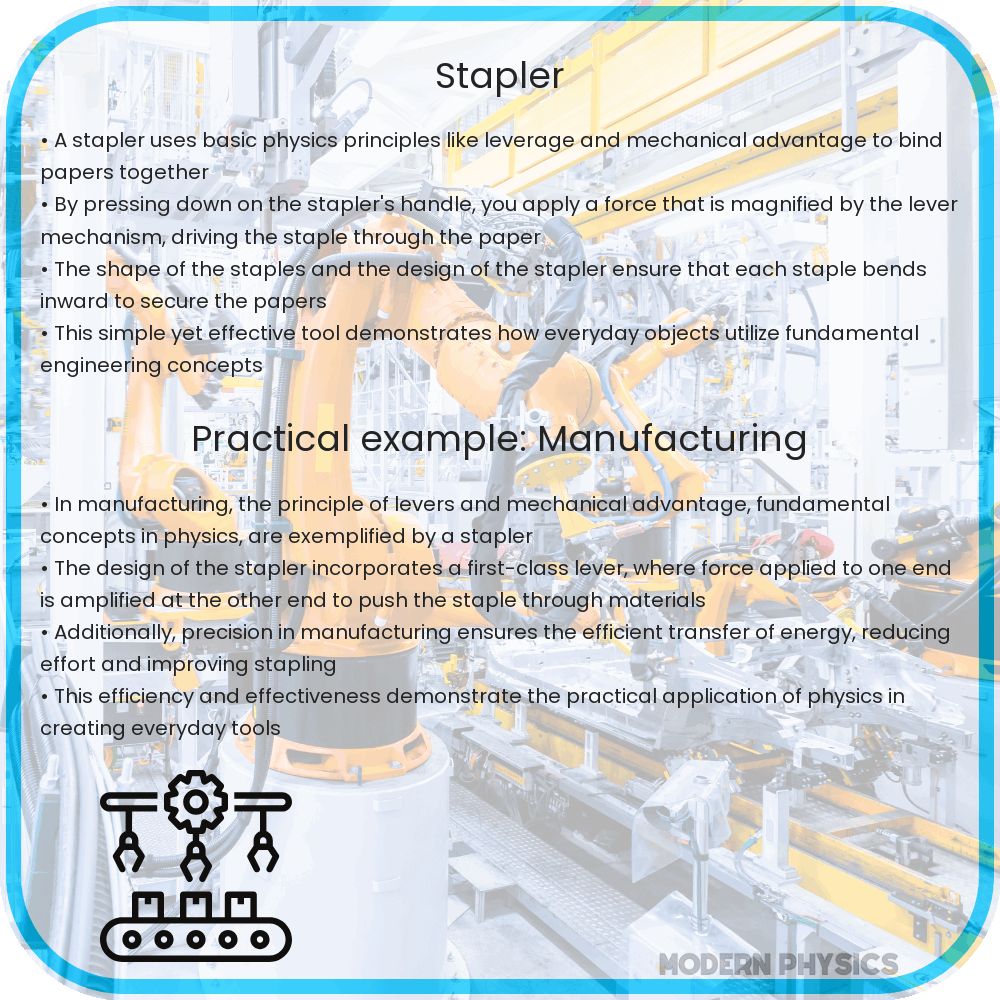
The key to the efficiency of these modern staplers lies in their dynamics-enhanced mechanism. Traditional staplers require significant manual force to operate, which can be taxing over time. However, the new generation of staplers incorporates a leveraged design that significantly reduces the amount of physical effort needed. This is achieved through a combination of mechanical innovation and material science, where elements like carbon-fiber or high-grade polymers are used to create a lightweight yet strong structure. The design ensures that the energy applied by the user is maximized for the stapling action, resulting in a seamless and effortless experience.
Robust Build Quality
Robustness in staplers is not just about withstanding physical impacts but also about maintaining consistent performance over extended periods. The latest models are designed with longevity in mind, featuring components that resist wear and tear. This durability is crucial in busy office environments where staplers are used frequently. The use of corrosion-resistant materials and reinforced joints ensures that these staplers can handle the rigors of daily use without degradation in performance.
Precision in Every Staple
Precision is another critical aspect of these enhanced staplers. Unlike older models, which sometimes led to misaligned staples or jamming, the new designs guarantee precise stapling every time. This is achieved through improved staple guides and refined anvil designs, which ensure that each staple is perfectly aligned with the papers. Additionally, advanced models now feature adjustable depth settings, allowing users to customize the stapling based on the thickness of the document stack.
These improvements not only make the task of stapling more efficient but also contribute to a more organized and professional appearance of documents. The ability to consistently align staples in the same position enhances the neatness and uniformity of bound documents, which is essential in professional settings.
In conclusion, the evolution of stapler efficiency through dynamics-enhanced, robust, and precise designs marks a significant step forward in office tool technology. These improvements not only make the task easier for the user but also enhance the overall quality and durability of the stapler itself. In the following sections, we will delve deeper into the technical aspects of these advancements, including the mechanics behind the leveraged design and the materials that contribute to the stapler’s enhanced durability and precision.
Technical Aspects of Dynamics-Enhanced Staplers
The technical innovation behind dynamics-enhanced staplers is primarily focused on the leveraged design. This design typically involves a compound hinge mechanism, which multiplies the force applied by the user. As a result, even a gentle press can exert sufficient force to staple multiple pages. This mechanism is a significant departure from traditional spring-based designs, which require more manual effort and are prone to jamming and uneven stapling.
Material Advancements in Stapler Design
Advancements in material science play a pivotal role in enhancing stapler efficiency. The use of lightweight yet robust materials like carbon fiber or aerospace-grade aluminum reduces the overall weight of the stapler, making it easier to handle and maneuver. These materials also contribute to the longevity of the stapler, as they are resistant to wear, corrosion, and environmental factors. Furthermore, the precision-engineered components ensure that each part of the stapler functions optimally, contributing to the overall efficiency and precision of the device.
Environmental and Economic Implications
Beyond their functional benefits, these high-efficiency staplers also have positive environmental and economic implications. The durability and robustness of these staplers mean they need to be replaced less frequently, reducing waste and the demand for manufacturing resources. Additionally, the efficiency of these devices can lead to reduced time and effort in office tasks, translating into economic savings for businesses in terms of labor and operational costs.
User Experience and Ergonomics
An often-overlooked aspect of stapler design is ergonomics. The latest stapler models prioritize user comfort and ease of use. Ergonomic designs with contoured grips and balanced weight distribution reduce the strain on the user’s hand and wrist, especially during prolonged use. This ergonomic focus not only enhances user comfort but also can help prevent repetitive strain injuries, which are common in office environments.
Conclusion
The evolution of stapler efficiency with dynamics-enhanced, robust, and precise designs represents a notable advancement in office technology. These staplers are not just tools for binding papers; they embody the intersection of mechanical engineering, material science, and ergonomic design. By reducing physical effort, enhancing durability, and ensuring precision, these advanced staplers significantly improve the user experience and operational efficiency. Furthermore, their robust construction and longevity have favorable environmental and economic impacts. As office environments continue to evolve, the role of such innovative tools in enhancing productivity and comfort will undoubtedly become more prominent, making them indispensable in modern workplaces.