
Explore the essentials of flange design, covering stability, strength, and applications, with insights into modern techniques and sustainability.
Understanding Flange Design: Key Aspects and Applications
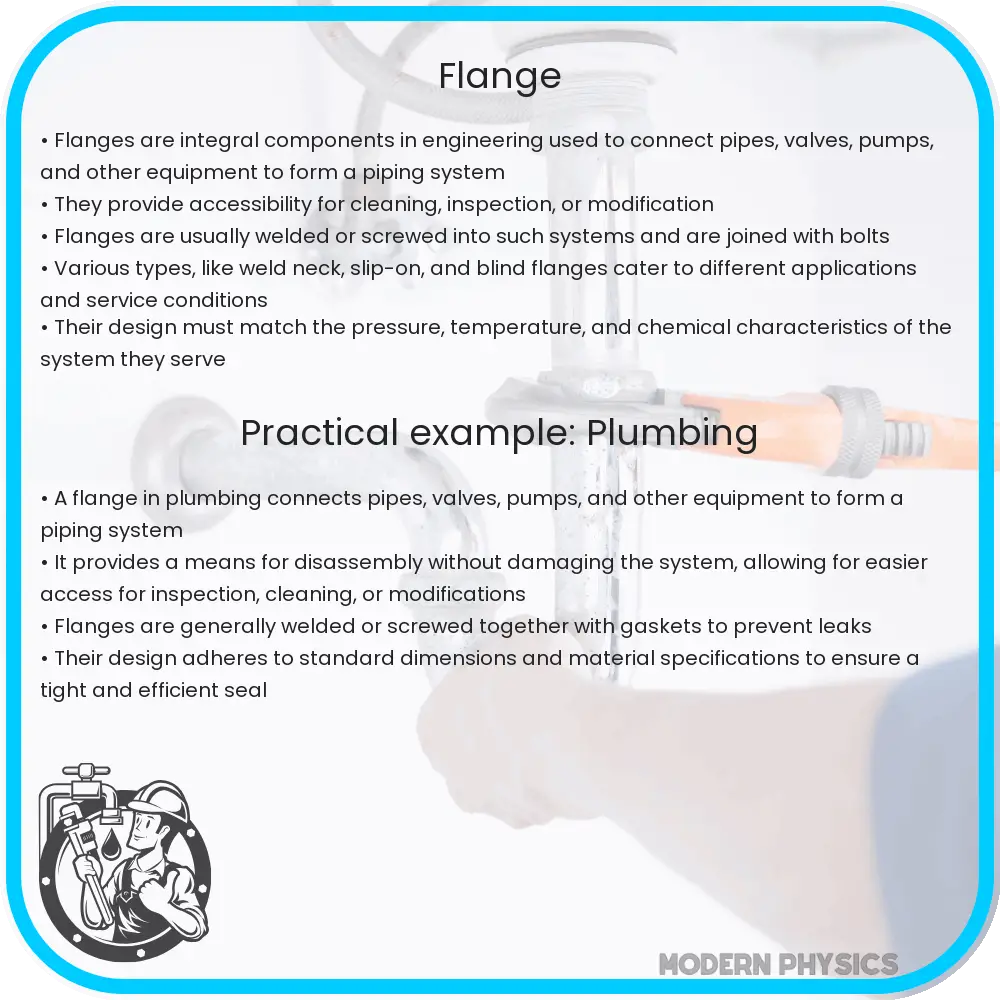
Flanges are critical components in various engineering and industrial systems, playing a pivotal role in connecting pipes, valves, pumps, and other equipment. The design of flanges encompasses several vital aspects, including stability, strength, and suitable applications, to ensure efficiency and safety in their use.
Stability in Flange Design
Stability in flange design is paramount, especially in systems where flanges are exposed to high pressure and temperature conditions. A stable flange design prevents deformation under load, maintaining a tight seal and avoiding leakages. The factors influencing flange stability include material selection, flange size, and the type of bolts used. Materials like stainless steel and carbon steel are commonly used for their high strength and corrosion resistance. Additionally, the choice between ring-type and flat-face flanges depends on the specific application and the required pressure-temperature rating.
Strength Considerations
The strength of a flange is determined by its ability to withstand operational stresses without failure. This involves considering the pressure rating, which is typically classified in terms of classes (like 150, 300, 600, etc.), indicating the maximum pressure the flange can handle at a certain temperature. Engineers must also account for factors such as bolt loading, gasket type, and the presence of external forces like vibration or shock loads. Calculating the appropriate bolt torque is crucial to ensure sufficient clamping force without overstressing the flange or bolts.
Applications of Flanges
Flanges find applications in a wide range of industries, including petrochemical, water treatment, and power generation. They are essential in systems requiring frequent disassembly for inspection or maintenance, offering ease of access compared to other joining methods. The selection of flange type depends on the nature of the fluid (whether it’s a gas or liquid), operating temperature, pressure conditions, and chemical compatibility. For instance, lap joint flanges are preferred in systems with frequent dismantling, while socket weld flanges are suitable for smaller, high-pressure systems.
In conclusion, the design of flanges must be approached with a comprehensive understanding of stability, strength, and application requirements. This ensures not only the functionality of the flange but also the safety and reliability of the entire system in which it is employed.
Detailed Aspects of Flange Design
Flange design also involves intricate considerations such as the flange face finish, which affects the gasket’s performance. A smoother finish is required for soft gaskets, while a rougher surface suits metallic gaskets better. Additionally, the design must consider the chemical compatibility of materials, especially in corrosive environments, to prevent degradation and ensure longevity.
Advanced Flange Design Techniques
Advancements in computational methods have significantly improved flange design. Finite Element Analysis (FEA) allows engineers to simulate various stress conditions and predict the flange behavior under extreme conditions. This predictive capability is invaluable in designing flanges for high-risk applications like nuclear reactors or offshore oil platforms, where failure can have catastrophic consequences.
Sustainability and Environmental Considerations
Modern flange design also incorporates environmental considerations. The choice of materials and manufacturing processes are increasingly influenced by sustainability goals. Recyclable materials and energy-efficient manufacturing processes are becoming more prevalent, reducing the environmental footprint of flange production.
Customization in Flange Design
Customization is another critical aspect of flange design. In specialized industrial applications, standard flanges may not meet the unique requirements. Custom-designed flanges, tailored to specific operational conditions, offer solutions for such scenarios. These bespoke designs take into account unique factors like unusual pipe sizes, non-standard pressure ratings, or specific alignment needs.
Conclusion
The design and application of flanges play a crucial role in the integrity and efficiency of piping systems across various industries. From stability and strength considerations to advancements in design techniques and sustainability, the evolution of flange design reflects the industry’s commitment to safety, efficiency, and environmental responsibility. As technology continues to advance, the future of flange design will undoubtedly see further innovations, enhancing their performance in even more challenging environments. Ultimately, a well-designed flange not only ensures the smooth operation of a system but also upholds the highest standards of safety and reliability.