
Learn how electrochromic windows, also known as smart windows, leverage advanced technology to enhance energy efficiency and comfort in buildings.
Understanding Electrochromic Windows
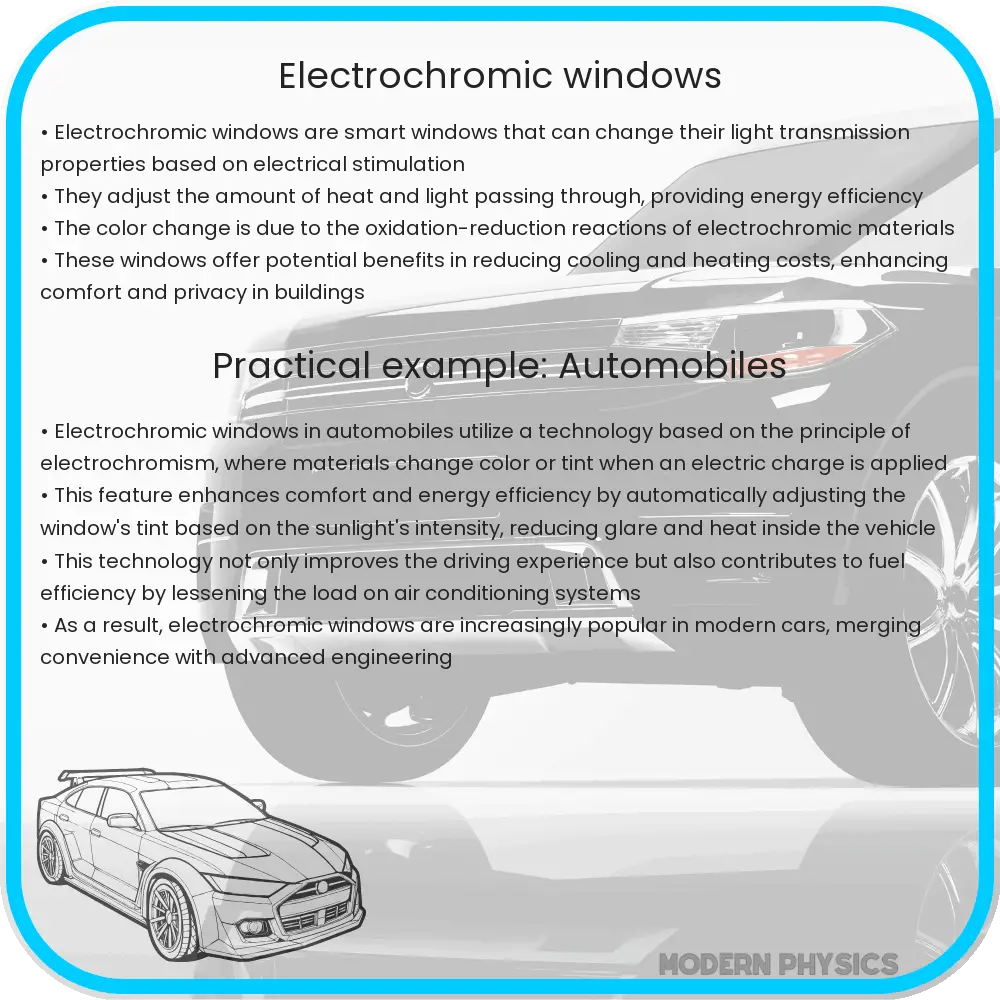
Electrochromic windows, often referred to as smart windows, represent a remarkable innovation in energy efficient building design. Utilizing a combination of chemistry and physics, these windows can change their light transmission properties under the influence of an electrical charge. This adaptability offers significant benefits in terms of energy savings and comfort.
The Basics of Electrochromic Technology
At its core, an electrochromic window consists of five layers: two transparent conductors, two electrochromic layers, and an ion conductor layer in the middle. When voltage is applied across the conductors, ions move from one electrochromic layer to the other, changing the optical properties of the window. These changes alter how much light and heat can pass through the window, effectively allowing them to transition from clear to opaque or somewhere in between.
The electrochromic materials commonly used include tungsten oxide (WO3) and nickel oxide (NiO). In their default, uncharged state, these materials allow light to pass through. However, when a voltage is applied, ions such as lithium or hydrogen are inserted into the material, which alters its optical properties and makes it darken.
Energy Efficiency Benefits
One of the most compelling advantages of electrochromic windows is their potential to save energy. By controlling the amount of heat and light that enters a building, these windows can reduce the need for air conditioning during the summer and heating during the winter. This modulation of internal temperatures can lead to significant reductions in energy use and cost.
- Reducing Cooling Loads: During hot days, electrochromic windows can be darkened to block excessive solar heat from entering, thereby reducing the need for air conditioning.
- Enhancing Heating Efficiency: On cold days, the windows can be cleared to maximize solar heating, reducing the need for artificial heating solutions.
- Lighting Costs: By optimizing natural light usage, these windows can also decrease the reliance on artificial lighting, further cutting energy expenditures.
Innovative Features and Practical Applications
Aside from their energy-saving capabilities, electrochromic windows can dynamically adjust lighting for optimal visual and thermal comfort, contributing to an overall improved indoor environment. This feature is particularly valuable in office buildings, health care facilities, and schools where proper light levels are crucial for productivity and well-being.
Cost and Installation Considerations
While the benefits of electrochromic windows are substantial, it’s important to consider the costs and installation factors. The initial cost of these windows is generally higher than that of standard windows due to the complex technology and materials required. However, the long-term energy savings can offset the initial investment. It’s also essential for potential users to factor in the compatibility of their existing building infrastructure with the necessary electrical systems for these windows.
Professional installation is recommended to ensure optimal functioning of electrochromic windows. This involves not only the proper placement and sealing of the windows but also the integration of appropriate wiring and control systems that support the voltage requirements for operation.
Future Technological Potential
As research in nanotechnology and smart materials progresses, the potential of electrochromic technology is vast. Future advancements may lead to better efficiency, faster switching times, and longer lifespans for the electrochromic materials used. Additionally, integrating these windows with automated building management systems could lead to even more optimized energy usage and enhanced user convenience.
Researchers are also exploring ways to incorporate solar cells into the design of electrochromic windows. This innovation could allow the windows not only to regulate light and heat but also to generate electricity, adding a new dimension to their functionality and environmental impact.
Conclusion
Electrochromic windows embody a significant stride in smart building technology, offering a blend of energy efficiency, comfort, and high-tech functionality. By understanding the principles behind their operation and recognizing their broader benefits and considerations, stakeholders in the building industry — from architects and engineers to homeowners and business operators — can make better-informed decisions about incorporating these advanced systems into their properties.
The progression of electrochromic technology continues to unfold, promising even more innovative and sustainable solutions for tomorrow’s building environments. As the world increasingly focuses on energy conservation and environmentally friendly solutions, electrochromic windows stand out as a bright example of how advanced materials and technology can harmonize to create smarter, more responsive buildings.