
Explore the exciting world of air hockey, from basic techniques to advanced strategies, and discover how to master this fast-paced, strategic game.
The Thrills and Skills of Air Hockey: A Dynamic and Strategic Game
Air hockey, a game known for its fast pace and intense competition, is more than just a recreational activity; it’s a battleground where strategy and quick reflexes come into play. This article delves into the nuances of air hockey, exploring its dynamics and the strategies that can turn any novice into a formidable opponent.
Understanding the Basics of Air Hockey
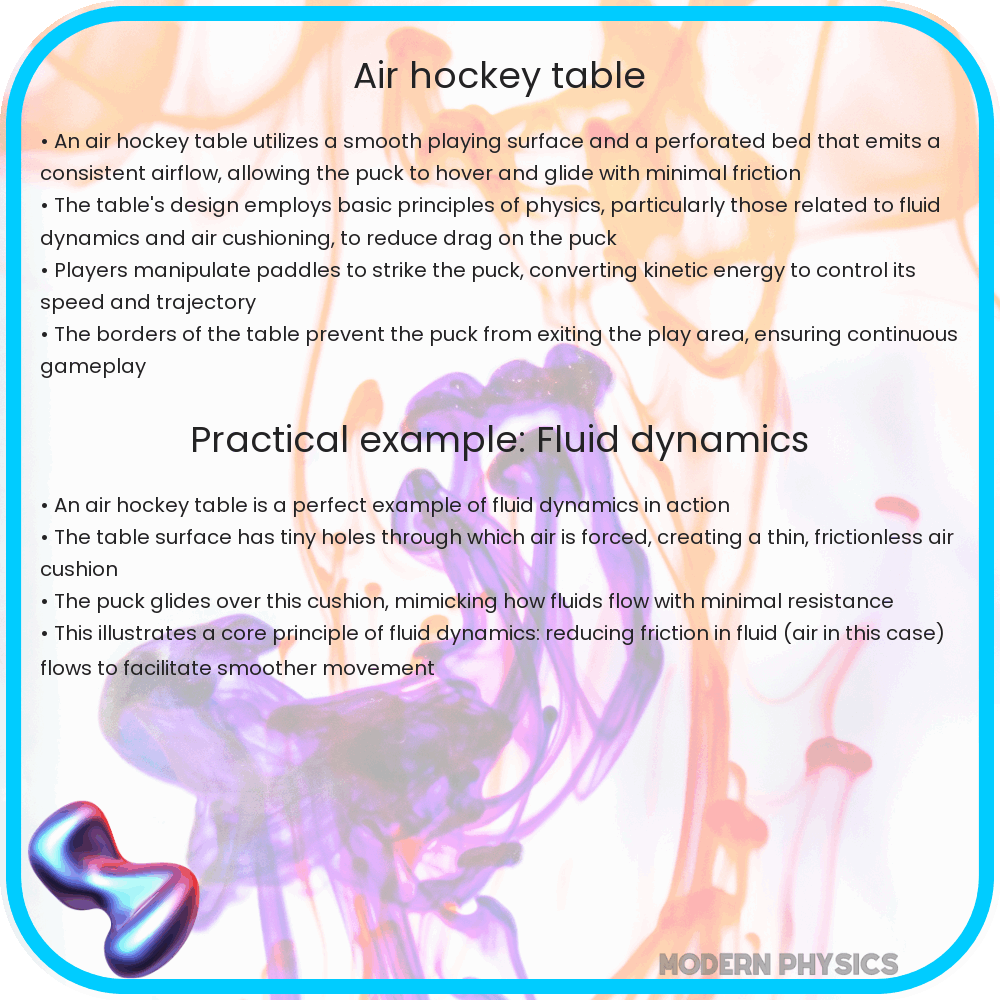
Before diving into advanced tactics, it’s essential to grasp the fundamental principles of air hockey. The game is played on a smooth, rectangular table, featuring a low-friction surface. The primary objective is to hit a puck into the opponent’s goal using a mallet, which requires both precision and speed. The table’s surface is equipped with tiny holes that emit air, reducing friction and allowing the puck to glide swiftly across the table.
Key Strategies for Dominating the Game
To excel in air hockey, players must adopt a blend of offensive and defensive strategies. Here are some critical tactics:
- Quick Reflexes and Hand-Eye Coordination: Success in air hockey hinges on the player’s ability to react swiftly to the puck’s movements, requiring excellent hand-eye coordination.
- Offensive Strategies: Aggressive play involves swift strikes, aiming the puck at different angles to outmaneuver the opponent. Mastering bank shots, where the puck ricochets off the side rails, can be particularly effective.
- Defensive Techniques: A robust defense is as crucial as a strong offense. Players should maintain a central position and be ready to block incoming shots, minimizing the goal’s exposure.
The Role of Physics in Air Hockey
The game’s fast-paced nature is largely attributed to the principles of physics at play. Understanding the basic concepts of momentum (p = mv, where m is mass and v is velocity) and kinetic energy (KE = \(\frac{1}{2}\)mv2) can enhance a player’s ability to predict the puck’s trajectory and velocity, leading to more strategic gameplay.
Building Skill and Strategy Over Time
Developing expertise in air hockey is a gradual process. Players should focus on improving their reaction time, precision, and strategic thinking. Regular practice, coupled with keen observation of skilled players, can significantly enhance one’s gameplay. Moreover, understanding the physics behind the game can provide an added edge, making one’s approach more analytical and calculated.
As players progress, they will find that air hockey is not just about speed but also about anticipating the opponent’s moves, adapting strategies, and executing precise shots. It’s a game that combines physical agility with mental acumen, offering endless excitement and challenge.
Advanced Techniques in Air Hockey
Moving beyond the basics, experienced players often employ advanced techniques to gain an upper hand. These include:
- Drifting: This involves subtly manipulating the puck’s movement before striking, creating unpredictable patterns that can confuse the opponent.
- Timing and Rhythm Disruption: Altering the pace of the game can throw off an opponent’s timing. Skilled players switch between fast attacks and slower, more calculated moves to keep their adversaries guessing.
- Feinting: Feigning a move in one direction and quickly changing to another can be an effective way to outsmart the opponent.
The Mental Aspect of Air Hockey
Air hockey is not just a physical game; it’s also a mental one. Players must be able to read their opponent’s body language and anticipate their next move. Mental resilience is key, especially in high-pressure situations. Staying calm and focused, even when the game is not going in one’s favor, can turn the tide of a match.
Equipment and Maintenance: Ensuring Optimal Performance
The condition of the air hockey table and accessories significantly affects gameplay. Regular maintenance of the table, including cleaning the surface and ensuring the air flow is consistent, is vital. Using a high-quality mallet and puck can also make a noticeable difference in performance. Investing in good equipment and maintaining it well can enhance the overall experience and effectiveness of play.
Conclusion
Air hockey is a captivating blend of speed, skill, strategy, and psychology. From mastering the basic strikes to employing advanced techniques and understanding the mental game, players can continuously evolve their skills. Whether it’s a friendly match or a competitive tournament, air hockey offers a dynamic and exciting experience. By combining physical prowess with strategic thinking, players can enjoy this fast-paced game while continually challenging and refining their abilities. The joy of air hockey lies not just in winning but in the exhilaration of play, the satisfaction of improvement, and the thrill of competition. So, grab a mallet, and let the game begin!