
Explore the transformative world of synthetic biology, where innovation in genetics reshapes medicine, energy, and environmental solutions for a sustainable future.
Synthetic Biology: Pioneering a New Era in Science and Technology
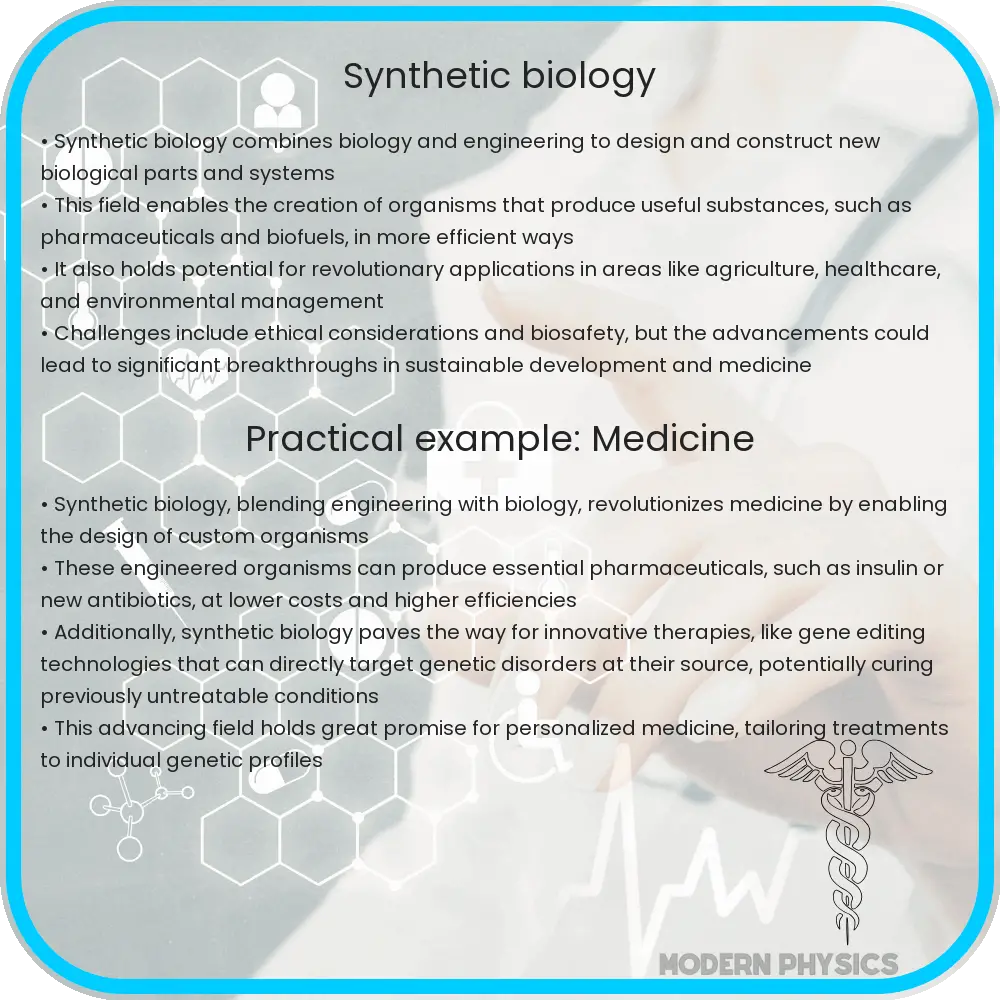
Synthetic biology, a rapidly evolving field at the intersection of biology and engineering, is pioneering innovative, integrative, and transformative approaches to understanding and harnessing the power of life. By designing and constructing new biological parts, devices, and systems, this discipline is not only revolutionizing our approach to traditional biological science but also offering groundbreaking applications in medicine, agriculture, energy, and environmental sustainability.
The Foundations of Synthetic Biology
At its core, synthetic biology involves reprogramming organisms to perform new functions by editing their genetic material. This is achieved through a combination of biotechnology, genetic engineering, molecular biology, systems biology, and computer engineering. A hallmark technique in this field is the use of CRISPR-Cas9, a genome editing tool that allows for precise modifications to DNA sequences, enabling the creation of genetically engineered organisms with properties that do not occur naturally.
Key Applications and Innovations
- Medical Therapeutics and Diagnostics: Synthetic biology is at the forefront of developing personalized medicine, offering new ways to treat and diagnose diseases. Engineered bacteria can now be used to deliver therapeutics directly to tumors, while synthetic biological circuits can be designed to produce drugs in response to specific disease markers.
- Sustainable Biofuels and Chemicals: The field is also driving the production of biofuels and biochemicals from renewable resources. Organisms can be engineered to convert biomass into fuels like ethanol or butanol, reducing reliance on fossil fuels and lowering carbon emissions.
- Environmental Remediation: Synthetic microbes are being developed to break down pollutants in soil and water, offering innovative solutions to environmental cleanup. These engineered organisms can target specific contaminants, such as heavy metals or plastic polymers, facilitating more effective and eco-friendly remediation strategies.
The integrative nature of synthetic biology, merging insights and techniques from various scientific disciplines, underpins its transformative potential. By designing and synthesizing life forms with novel functions, scientists are not only uncovering the fundamental principles of life but also creating new possibilities for its application.
Ethical and Safety Considerations
As with any rapidly advancing technology, synthetic biology raises important ethical and safety questions. The prospect of creating new life forms and altering existing ones poses challenges in terms of biosafety, biosecurity, and ethical considerations. To address these concerns, the scientific community, along with regulatory bodies, is developing frameworks to ensure that synthetic biology research and applications are conducted responsibly. This includes risk assessment protocols, ethical guidelines, and oversight mechanisms to manage potential biosafety and biosecurity risks.
The Future of Synthetic Biology
The future of synthetic biology is bright, with ongoing research pushing the boundaries of what is possible. Innovations on the horizon include the development of synthetic cells that mimic living organisms, offering new insights into the origin of life and potential applications in drug delivery and biosensing. Additionally, the field is exploring the creation of living materials that can grow, self-repair, and adapt to their environment, promising a revolution in material science.
Another exciting frontier is the use of synthetic biology in space exploration. Scientists are investigating how engineered organisms can support life in extraterrestrial environments, from producing oxygen and food to recycling waste. These applications could prove crucial for long-duration space missions and the possibility of sustainable human settlements on other planets.
Conclusion
Synthetic biology stands at the forefront of scientific and technological innovation, offering transformative solutions to some of the world’s most pressing challenges. By integrating principles from biology, engineering, and computer science, it is redefining the boundaries of what is possible in healthcare, environmental sustainability, energy production, and beyond. As the field continues to evolve, it promises to unlock new realms of discovery and application, reshaping our world and our understanding of life itself. However, navigating the ethical and safety landscapes will be paramount to harnessing the full potential of synthetic biology responsibly and beneficially. As we look to the future, the collaborative efforts of scientists, ethicists, policymakers, and the public will be critical in guiding the development of this exciting field towards a sustainable and ethical horizon.