
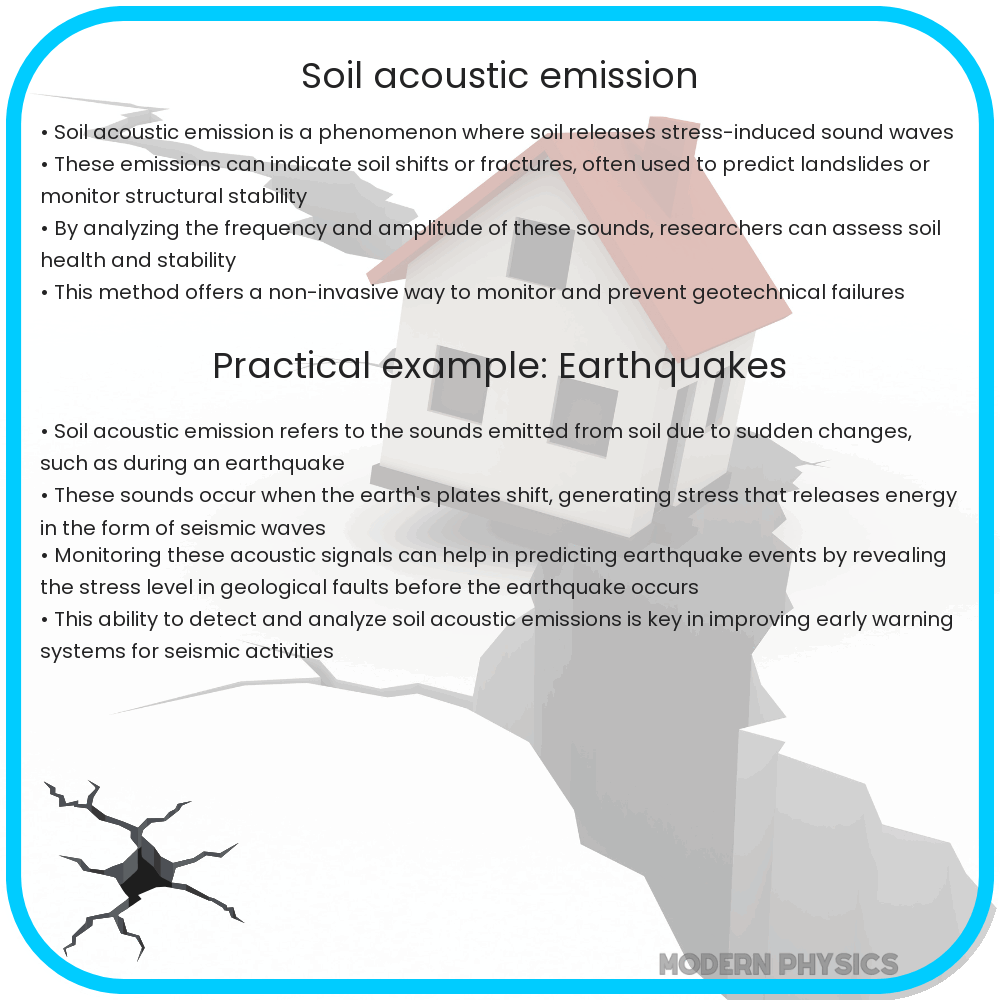
Soil acoustic emission refers to the sounds and vibrations produced by soils due to stress, cracking, and water absorption, key in agricultural monitoring.
Introduction to Soil Acoustic Emission
Soil acoustic emission refers to the sounds and vibrations produced by soils under various conditions such as stress, cracking, and water absorption. This phenomenon, while seemingly mundane, holds significant implications for agriculture, particularly in monitoring crop health and predicting yields. By detecting and analyzing these acoustic signals, farmers and researchers can gain insights into soil conditions, plant needs, and even impending issues before they become visually apparent.
How Soil Acoustic Emissions Occur
Soil acoustic emissions typically occur due to changes in the soil structure. These changes can be triggered by mechanical forces such as soil compaction, the presence of roots growing and exerting force, or environmental factors like changes in moisture content. When such stresses are applied to the soil, micro-cracks form, releasing bursts of acoustic energy. These emissions are not audible to the human ear but can be detected with sensitive equipment.
Detection of Soil Acoustic Emissions
The detection of soil acoustic emissions is primarily carried out using specialized sensors embedded in the soil. These devices are equipped to pick up the high-frequency sounds produced by the microstructural events within the soil matrix. Key tools and technologies used include:
- Piezoelectric sensors: These sensors convert mechanical stress into electrical signals, capturing the emissions generated by soil deformations.
- Micro-electromechanical systems (MEMS): MEMS devices are small, integrated devices that can measure mechanical vibrations with high precision.
- Acoustic emission detectors: Specific for this application, these detectors record the intensity and frequency of sounds, providing data for further analysis.
Analysis of Soil Acoustic Emissions
Once detected, soil acoustic emissions are analyzed to extract meaningful information about the soil and plant conditions. This analysis involves several steps:
- Signal processing: Raw data from sensors are processed to filter out noise and to enhance the signals related to soil disturbances.
- Pattern recognition: Using machine learning algorithms, the processed sounds are classified into categories based on their origin and potential cause.
- Correlation with soil parameters: The identified signals are then correlated with other soil characteristics such as moisture level, texture, and compactness to draw conclusions about soil health.
This detailed analysis helps in understanding the specific causes and implications of the acoustic emissions, leading to informed decisions regarding crop management and soil treatment.
Linking Soil Acoustic Emissions to Crop Yield
Understanding the link between soil acoustic emissions and crop yield is crucial for optimizing agricultural outputs. Research indicates that certain patterns of emissions can signal the adequacy of soil moisture or the presence of pests and diseases. For instance:
- Increased emissions in a normally quiet zone might indicate excessive soil dryness or compaction, necessitating irrigation or aeration.
- Specific emission frequencies may be associated with certain root diseases, allowing for early intervention.
By integrating soil acoustic emission data with other agricultural practices, farmers can potentially enhance crop yields while minimizing resource waste. This integration represents a move towards precision agriculture, where every aspect of the farm environment is monitored and controlled for maximum productivity and sustainability.
Applications in Sustainable Farming
Utilizing soil acoustic emission technology contributes significantly to sustainable farming practices. By providing precise information on soil conditions, this technology helps in reducing overuse of water and fertilizers, thus minimizing environmental impact. For example:
- Optimal watering: Accurate soil moisture readings from acoustic emissions help farmers apply just the right amount of water, preventing wastage and reducing runoff pollution.
- Disease management: Early detection of changes in soil condition indicating disease presence allows for targeted treatment, reducing the need for widespread pesticide use.
This proactive approach not only conserves valuable resources but also supports the health of the ecosystem surrounding agricultural areas.
Challenges and Future Prospects
While the potential of soil acoustic emission technology is vast, there are challenges to its widespread adoption. The high cost of the sensitive equipment and the need for specialized knowledge to interpret data can be prohibitive for some farmers. Moreover, field conditions such as extreme weather can affect sensor accuracy. However, with ongoing advancements in technology and a growing focus on sustainable agricultural practices, it is likely that these obstacles will be mitigated in the future.
Future research and development are expected to lead to more robust, affordable sensors and more intuitive data analysis software, making this technology accessible to a broader range of agricultural practitioners. Collaboration between researchers, tech developers, and the farming community will be key to optimizing and integrating this technology into daily farming operations effectively.
Conclusion
Soil acoustic emission is a promising field that bridges the gap between traditional farming and modern technology. By harnessing the subtle sounds of the soil, this technology offers a deep insight into underground activity affecting crop health and soil conditions. Although currently faced with certain challenges, ongoing improvements and increased adoption could enable soil acoustic emissions to play a crucial role in the future of agriculture. Farmers leveraging this technology can expect not only to increase their crop yields but also to contribute to the sustainability of farming practices, ensuring that agriculture continues to thrive without harming the environment.
In essence, the acoustic signals from the soil provide much more than mere noise; they offer a narrative of the earth’s condition and its interactions with plant life. Understanding and utilizing this information can lead to groundbreaking advancements in the way we approach crop cultivation and land management.