
Explore the advancements in NFC technology: its enhanced security, faster transactions, seamless integration, and future potential in various sectors.
The Evolution of NFC Technology: Enhanced Security, Speed, and Integration
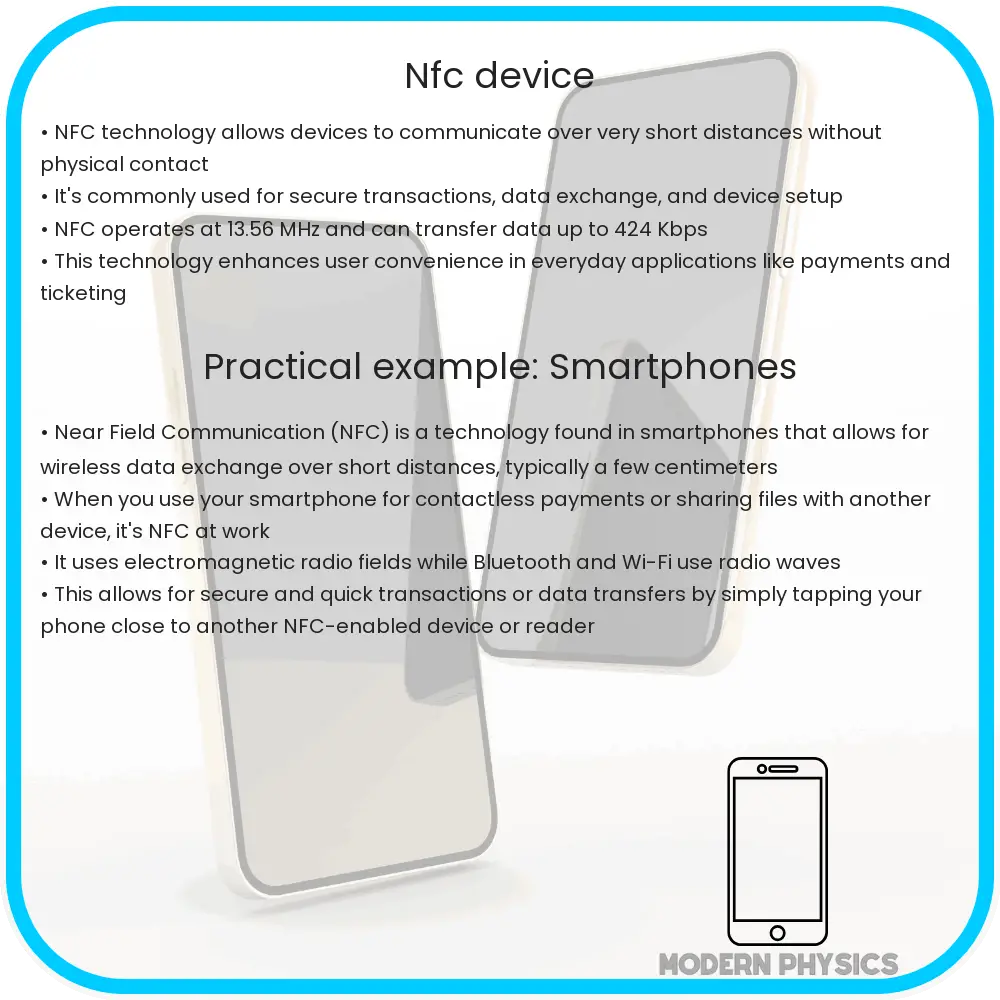
Near Field Communication (NFC) technology has evolved significantly since its inception, emerging as a pivotal tool in various industries for its enhanced security, speed, and seamless integration capabilities. NFC, a set of communication protocols that enable two electronic devices to communicate when they are within 4 cm of each other, has found extensive applications ranging from contactless payments to data transfer and identity verification.
Enhanced Security Features of NFC
One of the standout features of NFC technology is its robust security framework. NFC-enabled devices can establish secure communication channels, thanks to advanced encryption and authentication protocols. This security aspect is critical in applications like contactless payments and personal data exchange, where protecting sensitive information is paramount. The incorporation of dynamic encryption keys, which change with each transaction, adds an additional layer of security, making NFC transactions extremely difficult to intercept or duplicate.
Speed and Efficiency in NFC Transactions
The speed of NFC technology is another significant advantage. Transactions or data exchanges via NFC are completed almost instantaneously. This is particularly evident in the realm of contactless payments, where NFC has drastically reduced transaction times compared to traditional methods. Such efficiency not only enhances user experience but also increases throughput in high-traffic scenarios like public transportation systems or retail checkouts.
Seamless Integration with Existing Technologies
NFC’s ability to integrate seamlessly with existing technologies has facilitated its widespread adoption. Most modern smartphones are equipped with NFC capabilities, allowing for a wide range of applications beyond simple payments. For instance, NFC tags can be embedded in marketing materials, offering customers instant access to additional online content. This integration extends to various sectors, including healthcare, where NFC tags are used to monitor patient information and medication schedules.
The versatility of NFC is also evident in its compatibility with other wireless communication technologies like Bluetooth and Wi-Fi. This interoperability allows NFC to act as a bridge, simplifying the process of setting up more complex wireless connections. For instance, an NFC tap can initiate a Bluetooth pairing, streamlining the process significantly.
Advancements in NFC Device Integration
Recent advancements in NFC technology have expanded its capabilities, enhancing device integration and user experience. Smart home systems, for example, are increasingly incorporating NFC for intuitive control. Users can simply tap their NFC-enabled device to a home appliance to establish a connection, making the interaction more user-friendly and efficient. This application of NFC in the Internet of Things (IoT) sector exemplifies its potential in creating a more interconnected and convenient world.
Improved Power Efficiency and Range
Another significant development in NFC technology is the improvement in power efficiency. Modern NFC chips consume less power, which is vital for battery-operated devices like smartphones and wearables. This enhancement prolongs the battery life of devices, making NFC a more practical option for everyday use. Additionally, advancements in antenna design have slightly extended the effective range of NFC, further improving its versatility and user experience.
NFC in Identity Verification and Access Control
NFC’s application in identity verification and access control systems has also seen substantial growth. Enhanced encryption and biometric integrations have made NFC-based ID systems more secure and reliable. In corporate settings, NFC-enabled ID badges facilitate secure and convenient access to buildings and computer systems. This application has extended to the consumer sector, with NFC-enabled passports and driver’s licenses becoming increasingly common, enhancing security while improving processing speeds at checkpoints and border controls.
Conclusion: The Future of NFC Technology
In conclusion, NFC technology continues to evolve, offering enhanced security, speed, and integration capabilities. Its robust security measures, combined with the convenience of quick and efficient transactions, make it an invaluable tool in various sectors. The seamless integration with existing technologies and the continuous advancements in device compatibility, power efficiency, and range further solidify NFC’s position as a cornerstone of modern wireless communication. As NFC technology advances, it is set to revolutionize not only payment systems but also identity verification, access control, and IoT applications, paving the way for a more interconnected and streamlined digital experience. The future of NFC holds immense potential, and its ongoing development is poised to bring about significant changes in how we interact with technology in our daily lives.