
Discover the crucial role of light meters in photography, exploring their accuracy, ease of use, and key features to enhance your photo quality.
The Importance of Light Meters in Photography
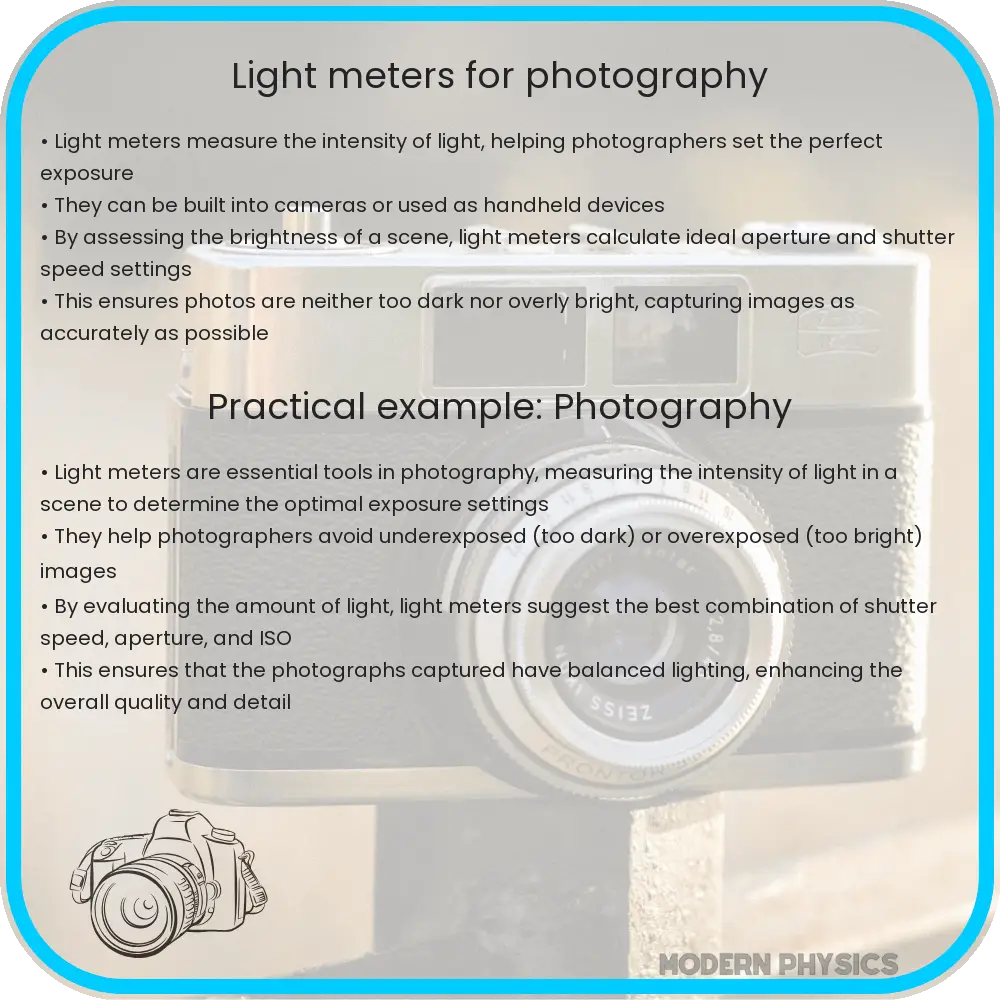
In the realm of photography, light plays a pivotal role in capturing the perfect shot. The essence of a photograph lies in its ability to portray light and shadows accurately, making the use of light meters indispensable for both amateur and professional photographers. A light meter is a device that measures the intensity of light, enabling photographers to determine the optimal exposure settings for their images. This article delves into the accuracy, ease of use, and features of light meters, shedding light on their significance in the photography process.
Accuracy of Light Meters
The accuracy of a light meter is crucial for obtaining the desired exposure in a photograph. Light meters come in various types, including incident and reflective, each serving different purposes but with the ultimate goal of ensuring precise exposure. Incident light meters measure the light falling on the subject, ideal for studio settings where control over lighting is paramount. Reflective light meters, on the other hand, assess the light bouncing off the subject, commonly used in landscape photography. The choice between these meters depends on the specific requirements of the shoot and the environment.
Ease of Use
Modern light meters are designed with ease of use in mind, catering to both seasoned photographers and beginners. Digital light meters, for instance, feature intuitive interfaces and displays that provide real-time readings and exposure suggestions. This immediacy allows photographers to make quick adjustments to their settings, ensuring they never miss a moment. Moreover, many light meters are now equipped with connectivity options, such as Bluetooth, enabling seamless integration with other devices and photography software.
Key Features to Look For
- Dynamic Range: The ability of a light meter to accurately measure both high and low light levels is essential for capturing images with a wide range of tones.
- Mode Selection: A good light meter offers various modes, such as ambient, flash, and cine, to cater to different photography styles and requirements.
- Portability: Compact and lightweight designs make light meters easy to carry, ensuring photographers can take precise readings wherever their shoots may take them.
Understanding the accuracy, ease of use, and features of light meters is crucial for photographers aiming to master the art of capturing light. As we delve deeper into the nuances of light meters in the following sections, the emphasis on selecting the right meter for your photography needs becomes increasingly apparent.
Advanced Features and Connectivity
As technology advances, light meters have evolved to offer a plethora of advanced features that cater to the sophisticated needs of today’s photographers. Features such as high-speed sync (HSS) support for flash photography, color temperature readings, and exposure profiling for various film types, digital sensors, and ISO settings enhance the versatility of light meters. Furthermore, the integration of wireless connectivity in light meters allows photographers to update firmware, share readings with smartphones or tablets, and even control their meters remotely. This level of connectivity ensures that photographers can adapt to the ever-changing landscape of photography with ease.
Choosing the Right Light Meter
When selecting a light meter, it’s important to consider the specific needs of your photography practice. For studio photographers, an incident light meter with high precision and connectivity options might be ideal. Landscape photographers, however, might prioritize a reflective light meter with a robust dynamic range and portability. Additionally, considering the user interface and ease of integration with other photography equipment is crucial for a seamless workflow. Ultimately, the right light meter should not only improve the technical quality of your photographs but also enhance your creative process.
Conclusion
Light meters are fundamental tools in the art and science of photography, enabling photographers to capture images with optimal exposure. The accuracy, ease of use, and advanced features of modern light meters have made them indispensable in achieving precise lighting conditions. Whether you are a beginner learning the ropes or a professional refining your craft, the importance of a reliable light meter cannot be overstated. By understanding the various types of light meters available, along with their key features and functionalities, photographers can make informed decisions that elevate their work to new heights. In the dynamic field of photography, where light is the essence of every image, investing in a high-quality light meter is investing in the potential to bring your creative vision to life.