
Explore the essentials of laser safety goggles, focusing on optics, comfort, and protection standards, to ensure safe and effective laser use.
Understanding Laser Safety Goggles
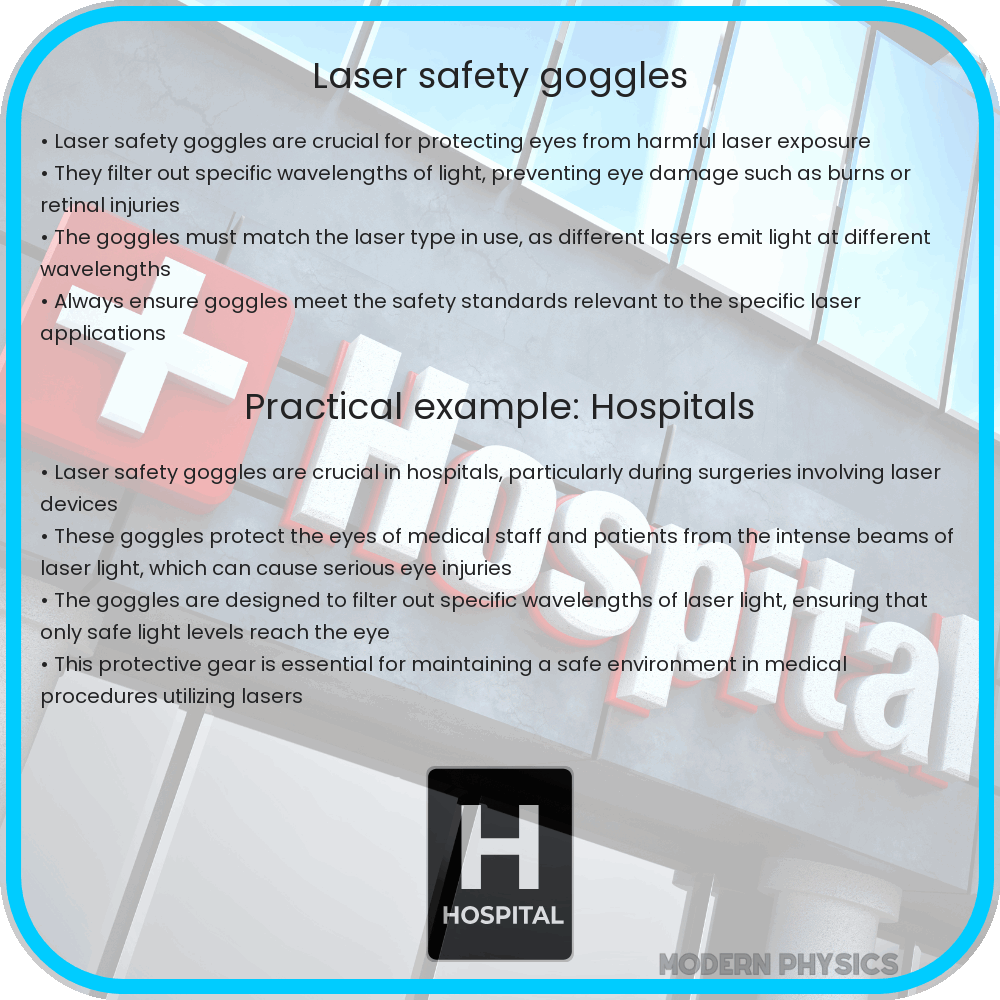
Laser safety goggles are an indispensable tool for individuals working with laser systems, providing essential eye protection against harmful laser radiation. This article delves into the critical aspects of laser safety goggles, covering their optical properties, comfort features, and the level of protection they offer.
Optical Properties
The optical properties of laser safety goggles are tailored to filter out specific wavelengths of laser light, thus preventing eye damage. These goggles are designed with specialized lenses made from materials like polycarbonate, glass, or a combination of various dyes and polymers. The key is to choose goggles that match the wavelength and optical density requirements of the laser you are working with. The optical density (OD) indicates how much the goggles can reduce laser light intensity, ensuring that only safe light levels reach the eye.
Comfort Features
Comfort is equally crucial when selecting laser safety goggles. Prolonged use of uncomfortable goggles can lead to fatigue, discomfort, and even non-compliance with safety protocols. Modern safety goggles are equipped with features such as adjustable straps, soft cushioning, and ventilation systems to prevent fogging, all of which contribute to a more comfortable user experience. Ergonomic design ensures that the goggles fit snugly without exerting undue pressure on the face or nose, allowing for extended wear without discomfort.
Protection Standards
The primary function of laser safety goggles is to protect the eyes from laser radiation, which can cause temporary or permanent damage, depending on the exposure level. This protection is quantified by the goggles’ ability to absorb or reflect specific wavelengths of light, thereby preventing them from reaching the sensitive tissues of the eye. It is imperative to select goggles that comply with international safety standards, such as ANSI Z136 in the United States or EN207/EN208 in Europe, which certify that the eyewear has been tested and proven effective against the hazards associated with specific types of lasers.
When choosing laser safety goggles, it is essential to consider the laser’s wavelength, operation mode (continuous or pulsed), and the environment in which it will be used. This ensures optimal protection and compliance with safety regulations, safeguarding users against the potential risks associated with laser exposure.
Selection Criteria for Laser Safety Goggles
Choosing the right laser safety goggles involves several critical factors beyond optical properties and comfort. The selection process should include an assessment of the laser’s power, beam diameter, and the potential for direct or scattered laser exposure. It’s also vital to consider the material’s durability and resistance to laser-induced damage, ensuring long-term protection and usability.
Maintenance and Care
Maintaining the integrity of laser safety goggles is essential for ensuring ongoing protection. Regular inspection for scratches, cracks, or other damages that can compromise the goggles’ effectiveness is crucial. Proper cleaning techniques, as recommended by the manufacturer, should be followed to avoid damaging the optical filters. Storing goggles in a protective case when not in use can also extend their lifespan and maintain their protective qualities.
Training and Awareness
Equally important to the selection of appropriate laser safety goggles is the training and awareness of the individuals using them. Users must be educated on the potential risks associated with laser exposure, the importance of wearing protective goggles at all times during laser operation, and the correct usage and maintenance of the goggles. This education ensures that safety protocols are followed, significantly reducing the risk of laser-related eye injuries.
Conclusion
Laser safety goggles are a critical component of laser safety protocols, offering protection against potentially harmful laser radiation. The selection of the appropriate goggles requires careful consideration of their optical properties, comfort, and compliance with safety standards. Beyond the selection process, the maintenance and care of the goggles, coupled with proper training and awareness, are vital to ensure they provide the maximum level of protection. By adhering to these guidelines, users can safeguard themselves against the risks associated with laser exposure, ensuring a safe and productive working environment. Remember, when it comes to laser safety, the right pair of goggles is not just an accessory but a necessity.
Is this conversation helpful so far?