
Explore the critical role of insulating materials in enhancing energy efficiency and promoting sustainability across industries.
Understanding Insulating Materials: Key to Sustainability and Efficiency
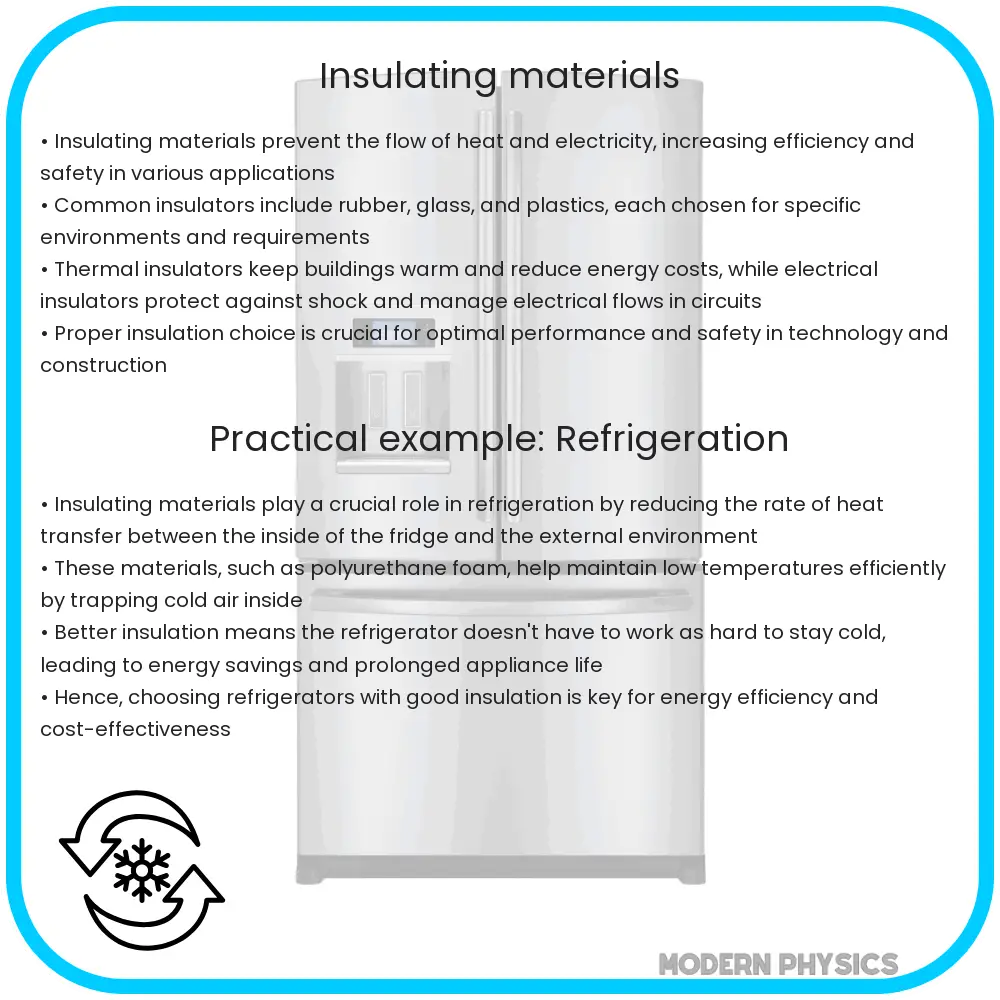
Insulating materials play a pivotal role in enhancing energy efficiency and promoting environmental sustainability in various industries. These materials are designed to prevent the transfer of heat or electricity between two regions, typically aiming to conserve energy in buildings or protect electrical circuits. Understanding the types, properties, and eco-friendly attributes of insulation materials is crucial for engineers and scientists working towards more sustainable solutions.
Types of Insulating Materials
Insulating materials can broadly be categorized into thermal and electrical insulators. Each category serves a specific function and consists of materials with unique properties tailored to specific applications.
- Thermal Insulators: Used primarily to reduce heat flow across a boundary, thermal insulators include materials like fiberglass, foam, and reflective barriers. Commonly used in buildings for maintaining temperature levels, these materials help in reducing energy consumption and lowering heating and cooling costs.
- Electrical Insulators: These materials prevent the leakage of electricity and protect against short circuits. Materials such as rubber, glass, and mica are typical examples. They are crucial for the safe operation of electrical devices, from small household appliances to large power grids.
Properties of Insulating Materials
The effectiveness of an insulating material is judged based on specific properties, depending on whether the application is thermal or electrical. Some of the key properties include:
- Thermal Conductivity: This is a measure of a material’s ability to conduct heat. Lower thermal conductivity means better insulating properties. It is typically measured in watts per meter Kelvin (W/m*K).
- Dielectric Strength: For electrical insulators, dielectric strength is an important property. It indicates the maximum electric field that a material can withstand without undergoing electrical breakdown, typically expressed in volts per meter (V/m).
- Resistance to Heat: The ability of insulating materials to withstand high temperatures is crucial, especially in industrial settings. Materials with high melting points and low thermal degradation are preferred.
- Environmental Impact: The ecological footprint of manufacturing, deploying, and disposing of insulating materials is increasingly considered. Materials that are recyclable, made from renewable sources, or have lower emissions during production are gaining popularity.
Eco-Friendly Insulation
In the quest for sustainability, the focus on eco-friendly insulating materials has intensified. Innovations in this area not only contribute to environmental conservation but also enhance energy efficiency and bring down operational costs. Materials such as cork, sheep wool, and cellulose are natural alternatives that are gaining traction for their biodegradability and low energy requirement for production.
In addition to using naturally occurring materials, technological advancements have led to the development of high-performance eco-friendly insulators. These include vacuum insulation panels and aerogel-based products. Despite their higher initial cost, these materials offer superior insulating properties and long-term savings in energy consumption.
The increasing emphasis on reducing carbon footprints has also paved the way for improvements in the production processes of synthetic insulating materials. Manufacturers are now integrating recycled content and focusing on the life-cycle impact of products to promote environmental sustainability.
Challenges and Future Directions in Insulation Technology
Despite significant advances, the field of insulation faces several challenges. One major issue is the balance between performance, cost, and ecological impact. As the demand for more sustainable insulating materials grows, researchers are continuously exploring novel materials and technologies that reconcile these factors.
There is also a pressing need for improving the recyclability and end-of-life disposal of synthetic insulators. The development of cradle-to-cradle design principles, where materials are perpetually cycled in closed loops, is becoming a key focus in this sector.
Another area of ongoing research is the enhancement of the thermal efficiency of insulators in extreme weather conditions. Innovations such as phase-changing materials, which can absorb or release heat depending on the temperature, are being investigated to provide more adaptive and resilient building insulation solutions.
- Regulatory Influence: Regulatory frameworks around the world are also shaping the development of insulating materials. Standards and codes that mandate reduced energy consumption and lower emissions are driving the adoption of advanced, sustainable insulating technologies.
- Consumer Awareness: The role of consumer awareness and preference for sustainable products cannot be underestimated. As more individuals recognize the benefits of eco-friendly insulation, market demand shifts towards products that contribute to a healthier environment.
Conclusion
Insulating materials are at the heart of modern sustainable engineering and environmental conservation efforts. With their ability to significantly reduce energy consumption and minimize environmental impact, these materials are crucial in the fight against climate change. The transition towards using eco-friendly insulators aligns with global goals for sustainability and offers a promising avenue for both economic savings and environmental protection.
Moving forward, the challenge will be to continue innovating while ensuring that these new solutions are accessible and practical for widespread use. The development and deployment of advanced insulating materials will require collaborative efforts among scientists, engineers, policymakers, and consumers. Yet, the profound impact these materials have on our daily lives and the planet makes this one of the most rewarding paths for scientific and technological exploration.
By enhancing our understanding of insulation technology and striving for improvements in sustainability, we can look forward to a future where buildings are not only energy-efficient but also integral components of our ecosystem. Embarking on this journey of innovation and awareness will pave the way for a greener, more sustainable world.