
Explore the evolution, advantages, and sustainability of Hard Disk Drives (HDDs) as a durable, high-capacity storage solution in our comprehensive guide.
Understanding Hard Disk Drives: The Backbone of Data Storage
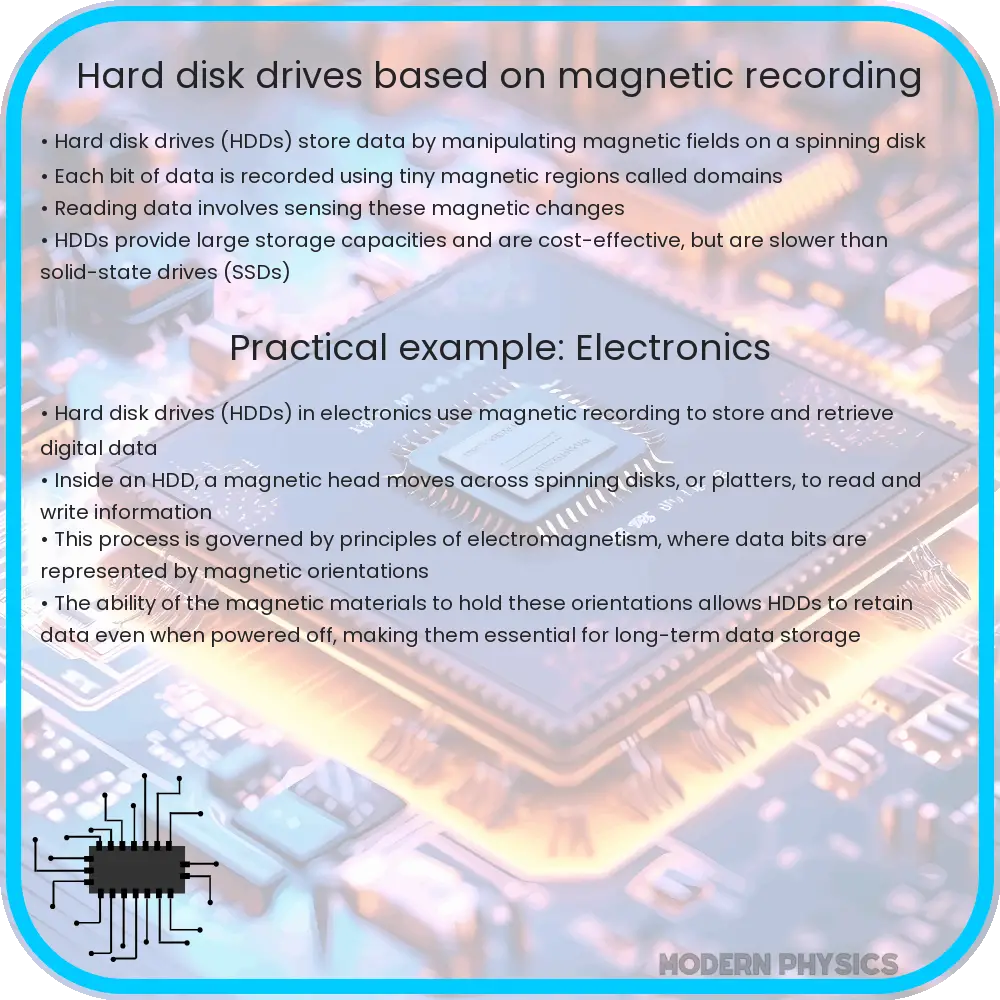
Hard Disk Drives (HDDs) are a cornerstone of digital storage, revered for their magnetic recording technology, durability, and high-capacity storage solutions. These devices have evolved significantly since their inception, offering a reliable way to store and retrieve vast amounts of data. Understanding the mechanics, advantages, and applications of HDDs is essential for anyone looking to optimize their data storage solutions.
The Magnetic Core of HDDs
At the heart of every hard disk drive is magnetic storage technology. Data is stored on the disk’s platters, which are coated with a magnetic material. When data is written to the disk, the HDD’s read/write heads change the direction of the magnetic particles on these platters to represent binary data (0s and 1s). This technology enables HDDs to store vast amounts of data securely, with capacities now reaching multiple terabytes (TB).
Durability and Reliability
HDDs are designed for longevity and durability. Their mechanical parts are constructed to withstand considerable use, making them a dependable choice for both personal and professional data storage needs. Despite the presence of moving parts, which can be a point of vulnerability, modern HDDs are engineered with robust mechanisms that minimize the risk of failure and data loss.
High-Capacity Storage Solutions
One of the most significant advantages of HDDs is their high storage capacity. With the demand for data storage growing exponentially, HDDs continue to offer an affordable and practical solution for storing large volumes of data. They provide an excellent cost-per-gigabyte ratio, making them an attractive option for users who require substantial storage without breaking the bank.
Moreover, HDDs play a critical role in various applications, ranging from consumer electronics like desktops and laptops to enterprise-level solutions in data centers. Their ability to store everything from personal documents to large databases and multimedia files makes them indispensable in the digital age.
Conclusion
In the realm of digital storage, Hard Disk Drives stand out for their magnetic recording technology, durability, and high-capacity storage capabilities. As technology continues to evolve, HDDs remain a fundamental component of data storage strategies, balancing cost, capacity, and reliability in a way few other storage mediums can.
Technological Evolution and Future Trends
The technology behind HDDs has seen continuous improvements, aimed at increasing their storage capacity and speed while reducing their physical size. Innovations such as helium-filled drives have been introduced to decrease internal resistance and allow for more platters within the same form factor, thereby increasing storage capacity. Moreover, advancements in magnetic recording technologies, such as Shingled Magnetic Recording (SMR) and Heat-Assisted Magnetic Recording (HAMR), promise to further expand the data density HDDs can achieve. These technological strides signify the ongoing evolution of HDDs to meet the ever-growing data storage demands.
Environmental Considerations and Sustainability
As digital storage needs grow, so does the concern for environmental sustainability. HDDs, with their longer lifespan and lower energy consumption compared to some alternatives, offer a relatively eco-friendly storage solution. Manufacturers are increasingly focusing on reducing the environmental impact of HDDs by improving energy efficiency and using recyclable materials. These efforts contribute to a more sustainable approach to data storage, aligning with global efforts to mitigate environmental impact.
Choosing the Right Data Storage Solution
While HDDs offer numerous advantages, selecting the right storage solution requires a balanced consideration of factors such as speed, capacity, durability, and cost. Solid State Drives (SSDs), for instance, offer faster data access speeds and greater shock resistance but at a higher cost per gigabyte. The choice between HDDs and SSDs often comes down to the specific needs of the user, with HDDs remaining the preferred option for high-capacity storage needs and SSDs for applications requiring high-speed access.
Conclusion
Hard Disk Drives have stood the test of time, evolving to meet the complex demands of modern data storage. Their unmatched capacity, coupled with advancements in technology, makes them a staple in the storage industry. Despite the rise of SSDs and cloud storage solutions, HDDs continue to offer a unique blend of reliability, capacity, and cost-effectiveness that is hard to beat. As we navigate the digital age, the importance of HDDs in the ecosystem of data storage solutions remains undiminished, underscoring their role as a critical backbone of digital infrastructure. As technology advances, the future of HDDs looks promising, with continuous improvements aimed at enhancing their efficiency, capacity, and sustainability. In the vast and varied landscape of data storage, HDDs remain an essential and enduring component.