
Explore key aspects of grain silo design, covering load calculations, durability, safety, and advanced features for efficient, long-lasting storage.
Understanding Grain Silo Design: Load Calculations, Durability, and Safety
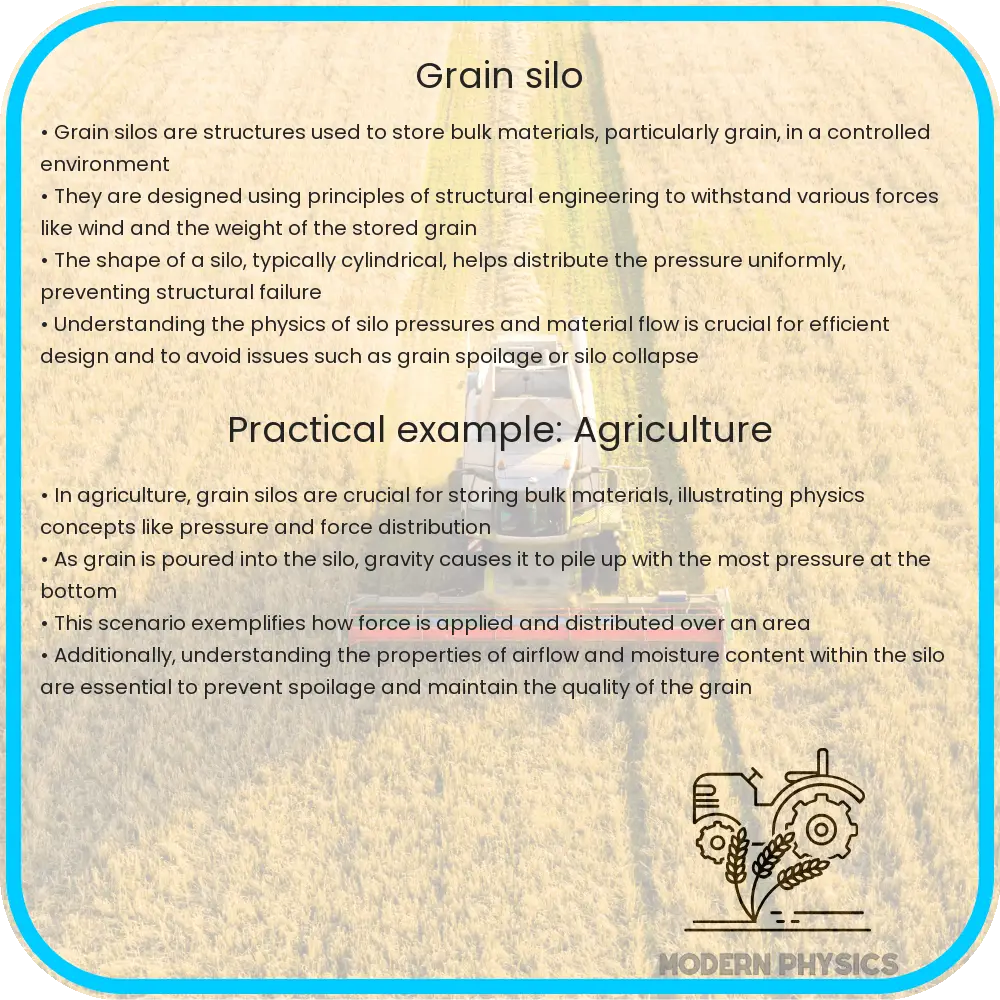
Grain silos are critical structures in the agricultural industry, used for storing bulk materials such as grains. The design of these silos needs to ensure they are capable of withstanding various loads, environmental conditions, and maintain the quality of the stored grain. This article delves into the essential aspects of grain silo design, focusing on load calculations, durability, and safety considerations.
Load Calculations for Grain Silos
The primary aspect of designing a grain silo is to accurately calculate the loads it will need to withstand. These loads can be categorized into two types: static and dynamic loads. Static loads include the weight of the silo structure itself, the stored grain, and any equipment attached to the silo. Dynamic loads are those that vary over time, such as wind, seismic activity, and the pressure exerted by the grain during filling and emptying processes.
- Calculating Static Loads: The total weight of the grain can be calculated using the formula: \( W = V \times \rho \), where \( W \) is the weight of the grain, \( V \) is the volume of the silo, and \( \rho \) (rho) is the density of the stored grain. It’s essential to consider the angle of repose of the grain, as it affects the distribution of pressure on the silo walls.
- Dynamic Load Factors: Wind load calculations depend on the geographical location, height, and shape of the silo. For seismic loads, factors such as local seismic activity, soil type, and the mass of the silo and its contents are considered. The flow dynamics of grain during handling also contribute to dynamic loads.
Durability in Grain Silo Design
Durability is a key factor in grain silo design, as these structures are expected to last for decades. The choice of materials, protection against environmental factors, and maintenance practices all play a role in ensuring the longevity of a silo. Common materials used in silo construction include steel, reinforced concrete, and sometimes advanced composites. Each material has its specific advantages and challenges in terms of durability.
- Corrosion Resistance: For metal silos, corrosion is a significant concern. Protective coatings, galvanization, and the use of stainless steel are common methods to enhance corrosion resistance.
- Concrete Durability: Reinforced concrete silos need to be designed to prevent cracking and spalling. The use of high-quality concrete mix, proper curing, and reinforcement are crucial for longevity.
Safety Considerations in Silo Design
Safety is paramount in the design of grain silos. Structural integrity, fire hazards, and human safety need to be thoroughly considered. The silo design must comply with local and international safety standards and codes. Regular inspections and maintenance are vital to identify and rectify potential safety hazards.
- Structural Safety: The design should ensure that the silo can withstand the maximum expected loads without failure. Over-engineering is often employed to provide a safety margin.
- Fire and Explosion Prevention: Grain dust can be highly combustible. Adequate ventilation, dust collection systems, and fire suppression systems are essential to mitigate these risks.
Grain silo design is a complex task that requires a thorough understanding of engineering principles, material properties, and safety regulations. By focusing on load calculations, durability, and safety, designers can create silos that are efficient, long-lasting, and safe for grain storage.
Advanced Considerations in Grain Silo Design
Beyond the basic principles of load calculations, durability, and safety, advanced considerations in grain silo design play a crucial role in optimizing functionality and efficiency. These include thermal effects, moisture control, and the integration of technology for monitoring and automation.
- Thermal Effects: Temperature variations can impact the quality of stored grain. Insulation and ventilation systems are designed to maintain a stable internal temperature, reducing the risk of condensation and spoilage.
- Moisture Control: Effective moisture control is essential to prevent mold growth and grain spoilage. This involves the use of airtight seals, dehumidifiers, and hygrometers to monitor humidity levels within the silo.
- Technology Integration: Modern silos often incorporate technology for real-time monitoring of grain conditions, automated handling systems, and data analytics for efficient inventory management.
Environmental and Economic Aspects
Environmental sustainability and economic efficiency are increasingly important in grain silo design. Energy-efficient materials and practices, waste reduction, and cost-effective construction methods are essential for modern silos.
- Sustainability: The use of recycled or environmentally friendly materials, along with energy-efficient design, contributes to the environmental sustainability of grain silos.
- Cost-Effectiveness: Balancing the initial construction costs with long-term maintenance and operational expenses is crucial for economic viability. The use of modular designs and prefabricated components can also reduce construction costs and time.
Conclusion
The design and construction of grain silos are complex but essential tasks that require a detailed understanding of various engineering principles and safety standards. From load calculations and material durability to advanced considerations like thermal effects, moisture control, and technology integration, every aspect plays a crucial role in ensuring the functionality, safety, and efficiency of these storage structures. As the agricultural industry continues to evolve, so too must the design of grain silos, incorporating sustainable and cost-effective practices to meet the growing demands of food storage and safety. With the right approach, grain silos can continue to serve as reliable and efficient storage solutions for years to come, contributing significantly to global food security and agricultural productivity.