
Explore the essentials of glass window design and safety in windy conditions, including material innovations, regulatory standards, and load analysis.
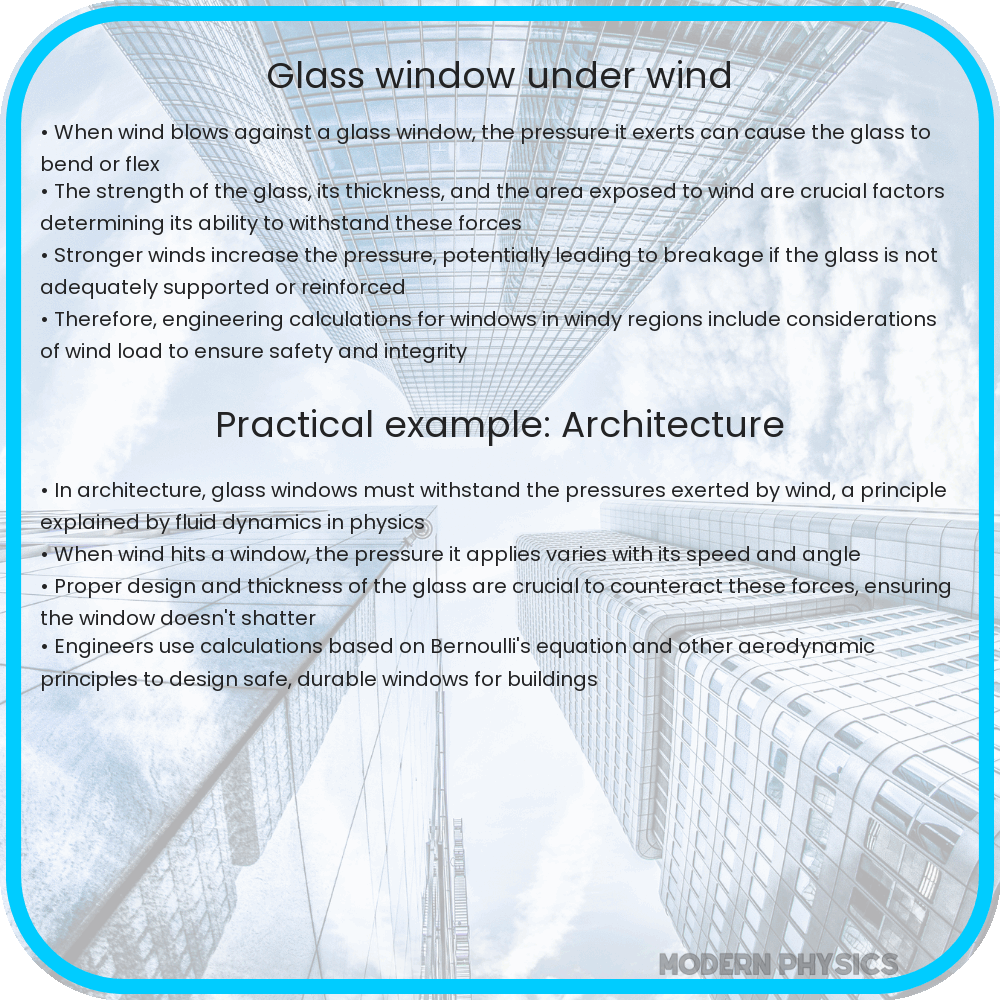
Glass Window Design and Safety in Windy Conditions
Glass windows are a crucial component in modern architecture, offering aesthetic appeal and functionality. However, their design and safety become paramount in areas prone to high winds. This article delves into the critical aspects of glass window design, safety measures, and load analysis under windy conditions.
Understanding Wind Pressure on Glass Windows
Wind pressure is a significant factor in the design of glass windows. It refers to the force exerted by wind on the surface of the window. This pressure varies with wind velocity and the shape and size of the building. Engineers use the formula P = 0.00256 x V2, where P is the wind pressure in pounds per square foot (psf) and V is the wind velocity in miles per hour (mph).
Design Considerations for Wind Load
The design of glass windows must account for wind load, which is the force exerted by wind on the window. Key considerations include:
- Glass Thickness: Thicker glass can withstand higher wind pressures. The choice of thickness is influenced by the size of the window and the wind load it needs to withstand.
- Frame Material: The frame’s material should complement the glass’s strength to ensure overall stability and resistance to wind forces. Aluminum and reinforced plastic are common choices.
- Window Shape and Size: Larger windows or those with unconventional shapes may require special design considerations to handle wind pressure effectively.
Safety Measures in High Wind Areas
In areas prone to high winds or hurricanes, additional safety measures are essential:
- Laminated Glass: This type of glass consists of two or more glass sheets bonded together with an interlayer. It holds together when shattered, reducing the risk of injury from flying glass fragments.
- Tempered Glass: Tempered glass is heat-treated to be more resistant to breaking and, when it does break, shatters into small, less harmful pieces.
- Window Film: Applying a protective film can strengthen the glass and help hold it in place if it breaks.
These safety measures are vital in ensuring the integrity and safety of glass windows under the stress of high wind conditions.
Load Analysis and Testing
Load analysis involves calculating the wind load that a window can be expected to bear. This calculation considers factors such as wind velocity, building height, and geographic location. Testing, either through computer simulations or in physical wind tunnels, is conducted to validate the design against the calculated loads. Ensuring the glass windows meet or exceed these standards is crucial for building safety in windy environments.
Advanced Materials and Technologies in Glass Windows
Advancements in materials science have significantly improved the performance of glass windows in windy conditions. Innovations include:
- High-Strength Glass Composites: These composites, often incorporating materials like polycarbonate, offer enhanced durability and resistance to wind pressure.
- Smart Glass Technologies: Electrochromic or thermochromic glasses, which can change their properties based on external conditions, help in managing thermal and light transmission effectively, contributing to the building’s overall resilience.
Regulatory Standards and Building Codes
Compliance with local building codes and international standards is essential for the safe design of glass windows in windy conditions. Standards like the American Society for Testing and Materials (ASTM) provide guidelines for wind load resistance. Builders and architects must ensure that their designs conform to these regulations to guarantee safety and durability.
Environmental Considerations and Energy Efficiency
Besides withstanding wind pressures, modern glass windows also aim to be environmentally friendly and energy-efficient. Features such as low-emissivity (low-E) coatings and double glazing can reduce heat loss and improve energy efficiency, which is especially significant in buildings exposed to harsh weather conditions.
Challenges and Future Directions
The primary challenge in designing glass windows for windy conditions is balancing safety, aesthetic appeal, and cost-effectiveness. Future directions in this field may include the integration of nanotechnology for stronger, lighter glass materials and the incorporation of renewable energy technologies, such as solar cells, into the glass windows themselves.
Conclusion
The design and safety of glass windows in windy conditions are complex but crucial considerations in modern architecture. From understanding wind pressure dynamics to implementing advanced materials and complying with regulatory standards, each aspect plays a pivotal role in ensuring the safety and functionality of glass windows. With ongoing technological advancements and a growing emphasis on sustainability and energy efficiency, the future of glass window design looks promising. This evolving landscape presents an exciting opportunity for architects, engineers, and designers to innovate and redefine the standards of safe, efficient, and aesthetically pleasing building designs in the face of nature’s challenges.