
Explore eco-friendly evaporative coolers for efficient and cost-effective cooling. Learn about their benefits, operation, and maintenance tips.
Understanding Evaporative Coolers: An Eco-Friendly Approach to Cooling
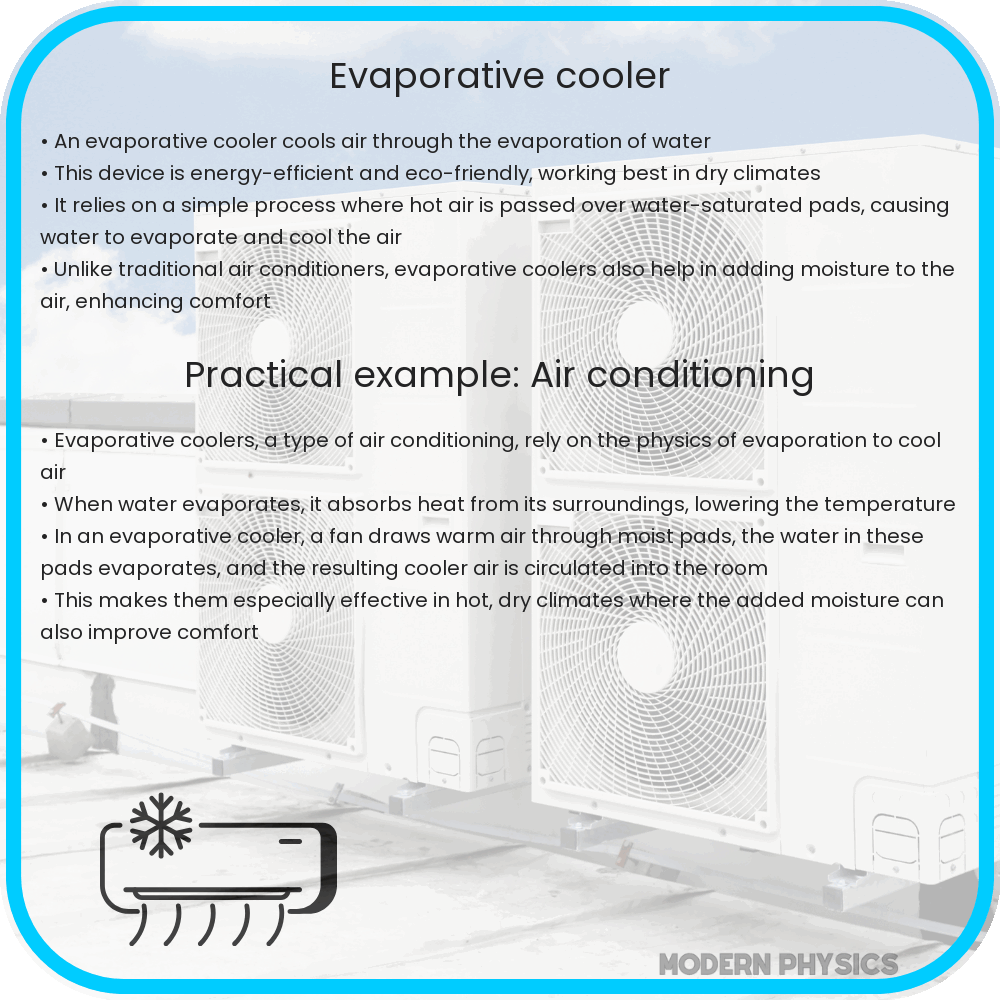
Evaporative coolers, also known as swamp coolers, offer an energy-efficient and environmentally friendly method of cooling indoor spaces. Unlike traditional air conditioners that rely on refrigerant gases, evaporative coolers use the simple process of evaporation to lower temperatures, making them a sustainable choice for those seeking to reduce their carbon footprint without compromising on comfort.
How Evaporative Coolers Work
The principle behind evaporative cooling is straightforward. When water evaporates, it absorbs heat from its surroundings, thereby reducing the temperature. In an evaporative cooler, a fan draws warm air through water-saturated pads. As the air passes through these pads, water evaporates, and the air is cooled before being circulated into the room. This process not only lowers the temperature but also adds moisture to the air, which can be beneficial in dry climates.
Advantages of Evaporative Coolers
- Energy Efficiency: Evaporative coolers consume significantly less electricity compared to conventional air conditioning systems. This reduced energy usage translates into lower utility bills and a smaller carbon footprint.
- Low Maintenance Costs: With fewer mechanical components than standard air conditioners, evaporative coolers typically require less maintenance and are less prone to breakdowns.
- Eco-Friendly: Since they do not use harmful refrigerants like chlorofluorocarbons (CFCs) or hydrochlorofluorocarbons (HCFCs), evaporative coolers are a more environmentally friendly option.
Considerations for Optimal Use
While evaporative coolers are highly effective in certain conditions, they are not universally suitable. These coolers work best in areas with low humidity, as the air’s capacity to absorb moisture decreases with higher humidity levels. This limitation makes them less effective in tropical or very humid climates. Additionally, regular maintenance, such as cleaning or replacing the cooling pads and ensuring the water tank is clean, is crucial for efficient operation and preventing mold growth.
In conclusion, evaporative coolers present a cost-effective, energy-efficient, and environmentally friendly alternative to traditional air conditioning systems, especially in arid and semi-arid climates. By harnessing the natural process of evaporation, they provide a sustainable solution for cooling, aligning with the growing global emphasis on eco-friendly technologies and practices.
Installation and Operational Costs
One of the appealing aspects of evaporative coolers is their relatively low installation cost compared to traditional air conditioning systems. The simplicity of their design means they can be installed with minimal structural modifications. Operational costs are also lower due to their energy-efficient nature, making them a cost-effective solution in the long run.
Health and Environmental Benefits
Evaporative coolers offer health and environmental benefits that are often overlooked. By adding moisture to the air, they can alleviate symptoms associated with dry climates, such as dry skin, itchy eyes, and sore throats. Furthermore, the absence of refrigerants in their operation means they don’t contribute to ozone depletion or greenhouse gas emissions, aligning with global efforts to combat climate change.
Choosing the Right Evaporative Cooler
Selecting the appropriate evaporative cooler depends on several factors, including the size of the area to be cooled, the local climate, and individual preferences. Portable units are suitable for small spaces or spot cooling, while window-mounted or rooftop models can cool larger areas more effectively. Consulting with a cooling expert can help in making an informed decision.
Maintenance Tips
To ensure the longevity and efficiency of an evaporative cooler, regular maintenance is key. This includes cleaning or replacing the cooling pads, checking the water level in the tank, and cleaning the fan and water distribution system to prevent mineral buildup and mold growth. Seasonal inspections by a professional can also help in identifying and addressing any potential issues early on.
Conclusion
Evaporative coolers represent a smart choice for those seeking an eco-friendly, cost-effective, and efficient way to cool their spaces. By leveraging the natural process of evaporation, these coolers offer substantial energy savings, lower installation and maintenance costs, and environmental benefits over traditional air conditioning systems. While they are best suited for areas with low humidity, their ability to add moisture to the air makes them a beneficial choice for health and comfort in dry climates. With proper selection and maintenance, evaporative coolers can provide a sustainable and effective cooling solution for a variety of settings, aligning with the growing demand for environmentally responsible technologies in the face of global environmental challenges.