
Explore the benefits, types, and safe usage of Electrostatic Disinfection Sprayers for effective, fast, and eco-friendly surface sanitization.
Understanding Electrostatic Disinfection Sprayers
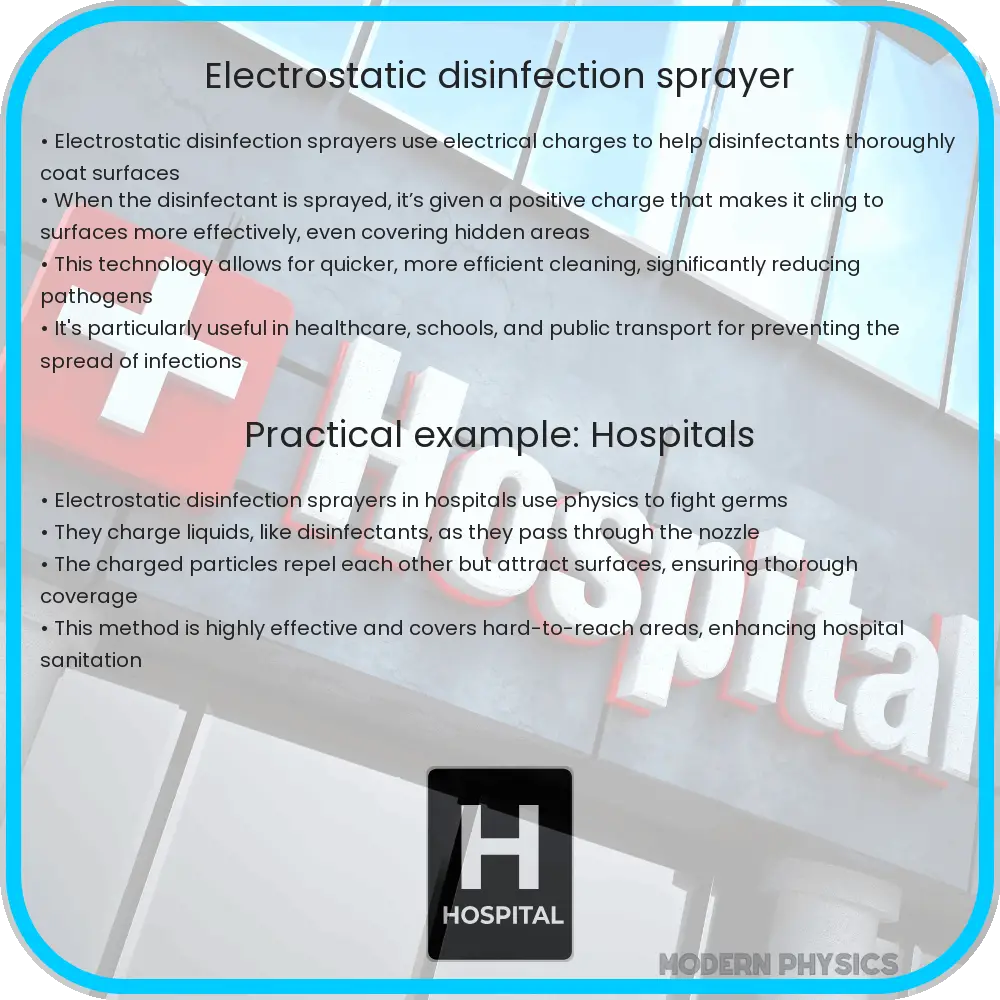
Electrostatic disinfection sprayers have emerged as a revolutionary tool in the cleaning and sanitization industry. They provide a fast, efficient, and safe way to apply disinfectants across various surfaces. This technology uses electrostatic charges to ensure that disinfectant solutions cover surfaces evenly, reaching into nooks and crannies that conventional cleaning methods often miss.
How Electrostatic Disinfection Works
The principle behind electrostatic disinfection is relatively straightforward. The sprayer imparts a positive or negative charge to the disinfectant as it passes through the nozzle. When these charged particles are sprayed onto surfaces, they uniformly coat and cling to them, even wrapping around objects to cover hidden areas. This comprehensive coverage ensures a more effective and thorough disinfection process.
Benefits of Electrostatic Sprayers
- Improved Coverage: Electrostatic technology provides a three-dimensional wraparound effect, ensuring all surfaces, including hard-to-reach areas, are coated evenly.
- Time Efficiency: These sprayers work significantly faster than traditional cleaning methods, saving valuable time, especially in large facilities.
- Chemical Efficiency: Less disinfectant is wasted, which is both cost-effective and environmentally friendly.
- Safety: The touchless nature of the process reduces the risk of cross-contamination between surfaces.
Applications and Safety
Electrostatic sprayers are highly versatile and can be used in a variety of settings including schools, healthcare facilities, office buildings, and food processing plants. The key is selecting the right disinfectant. It’s important to use solutions that are EPA-approved for use with electrostatic sprayers and safe for the intended environment.
Regarding safety, it’s vital to follow specific guidelines. Users should wear appropriate personal protective equipment (PPE) and ensure the area is appropriately ventilated during spraying. Additionally, allowing adequate drying time before the area is reoccupied is crucial for safety and effectiveness.
Choosing the Right Disinfectant
The effectiveness of electrostatic disinfection also hinges on the disinfectant used. It’s essential to choose a solution that is compatible with the sprayer and suitable for the specific environment. Many disinfectants are effective against a broad spectrum of pathogens, including viruses and bacteria. The chemical formula of these disinfectants, often comprising compounds like 2H2O7–, can be critical in determining their efficacy.
Understanding the chemical composition and the recommended concentration is important. For example, a common disinfectant might have a formula such as NaClO3, indicating its active ingredient is sodium hypochlorite. Ensuring the correct dilution ratio is key to maintaining the effectiveness of the disinfectant while minimizing potential harm to surfaces or individuals.
In the next section, we will delve deeper into the technical aspects of electrostatic disinfection sprayers, including the types of sprayers available, detailed safety guidelines, and best practices for effective and safe disinfection.
Types of Electrostatic Disinfection Sprayers
Electrostatic disinfection sprayers come in various types to suit different needs. Handheld models are popular for their portability and ease of use, ideal for smaller spaces or spot disinfection. Backpack sprayers offer increased capacity and freedom of movement, making them suitable for larger areas. For industrial-scale disinfection, there are stationary systems that can cover extensive spaces efficiently.
Technical Aspects and Safety Guidelines
Understanding the technical aspects of these sprayers is crucial. They operate on a specific range of voltages and amperages, which are essential for creating an effective electrostatic charge. Users must adhere to manufacturer guidelines to avoid equipment damage and ensure safety.
Safety guidelines are paramount when using electrostatic sprayers. This includes storing chemicals safely, regular maintenance of the sprayer, and adherence to the recommended distance from surfaces during spraying. Proper training for operators is also essential to handle the equipment safely and effectively.
Best Practices for Effective Disinfection
- Pre-Cleaning: Surfaces should be cleaned of visible dirt and debris before electrostatic disinfection for optimal results.
- Proper Dilution: Ensuring the correct dilution of the disinfectant as per manufacturer’s guidelines is critical for effectiveness and safety.
- Comprehensive Coverage: Aim for thorough coverage of all surfaces, especially high-touch areas.
- Dwell Time: Adhere to the recommended dwell time, which is the time the disinfectant should remain wet on the surface to be effective.
Environmental Considerations
While electrostatic sprayers are efficient in disinfectant use, it’s important to consider the environmental impact of the chemicals used. Opting for eco-friendly, non-toxic disinfectants can reduce the ecological footprint while maintaining high levels of hygiene.
Conclusion
Electrostatic disinfection sprayers represent a significant advancement in the field of cleaning and sanitization. Their ability to provide efficient, thorough, and rapid disinfection makes them an invaluable tool in maintaining hygiene standards, especially in high-risk environments like hospitals and schools. When selecting and operating these sprayers, it’s crucial to consider the type of sprayer, the chemical properties of the disinfectant, and adhere to safety guidelines. By following best practices, these sprayers can offer a safe, effective, and environmentally conscious way to combat the spread of pathogens, ensuring a cleaner, healthier environment for everyone.