
Explore the safety, efficiency, and dynamic features of modern automatic doors, including their technological advancements and architectural impact.
Understanding the Benefits of Automatic Doors: Safety, Efficiency, and Dynamics
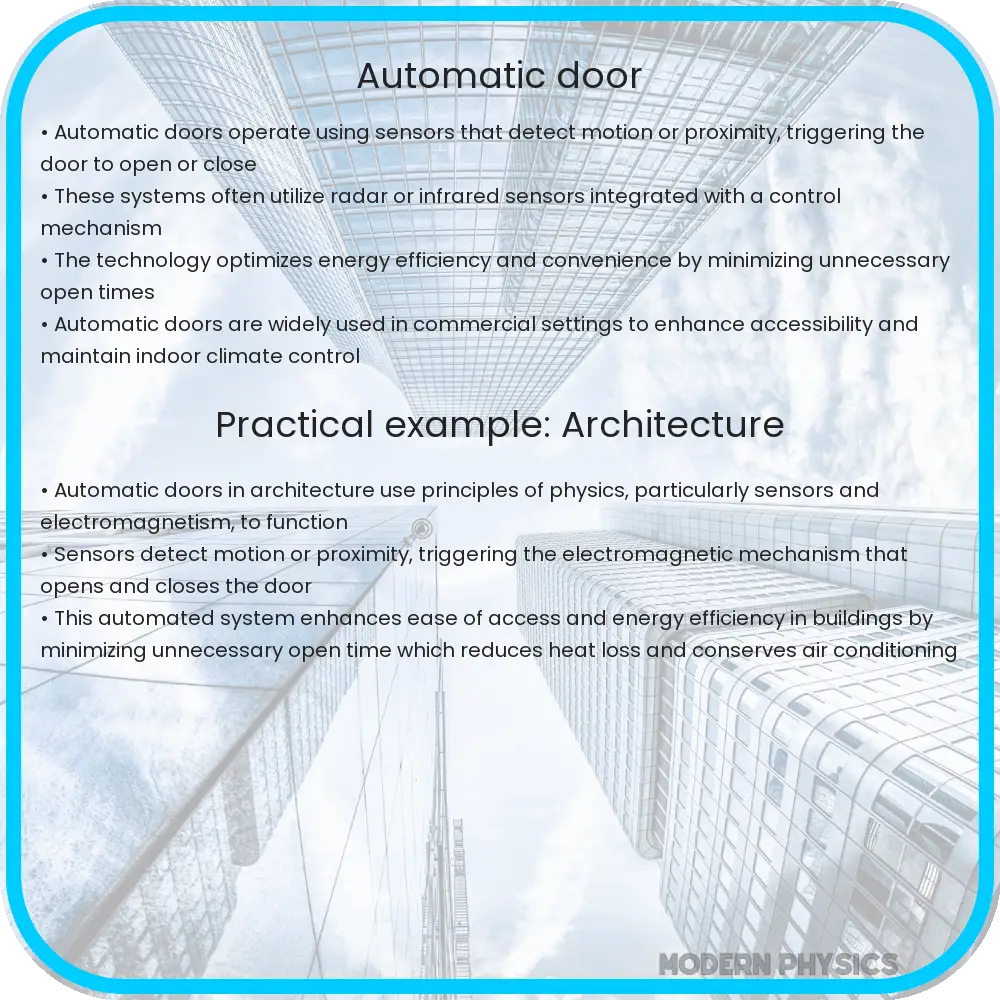
Automatic doors have become an integral part of modern architecture, offering a blend of convenience, safety, and energy efficiency. These advanced systems not only facilitate seamless entry and exit but also contribute significantly to the aesthetic and functional value of a building. In this article, we will delve into the key aspects of automatic doors, focusing on their safety, efficiency, and dynamic features.
Safety Features of Automatic Doors
One of the primary concerns in the design and installation of automatic doors is safety. To address this, modern automatic doors are equipped with several safety mechanisms:
- Sensors: These doors come with motion and presence sensors that detect objects or individuals in their path, thereby preventing accidental closures and potential injuries.
- Emergency Exit: In compliance with fire safety standards, automatic doors are designed to open during emergencies, ensuring a quick and safe evacuation.
- Low Energy Operation: This feature allows doors to move at slower speeds, minimizing the risk of injury upon accidental contact.
Efficiency Aspects of Automatic Doors
Automatic doors contribute significantly to the energy efficiency of a building. By opening only when needed and closing promptly, they help maintain the building’s internal climate, leading to reduced energy consumption for heating or cooling. This intelligent operation is especially beneficial in commercial settings with high foot traffic, where maintaining a constant indoor temperature can be challenging.
Dynamic Features
The versatility of automatic doors is evident in their wide range of applications, from hospitals and airports to retail stores and residential buildings. Key dynamic features include:
- Customization: Automatic doors can be tailored to fit various architectural styles and functional needs, including size, material, and opening mechanism.
- Adaptability: These doors can integrate with security systems, enabling controlled access and enhanced security measures.
- Aesthetic Appeal: With sleek designs and seamless operation, automatic doors enhance the visual appeal of any facility.
In conclusion, the incorporation of automatic doors in modern architecture goes beyond mere convenience. By ensuring safety, promoting efficiency, and offering dynamic features, they represent a smart investment in the functional and aesthetic value of a building. In the next section, we will explore the technological advancements in automatic door systems and their impact on future architectural designs.
Technological Advancements in Automatic Door Systems
The evolution of technology has significantly influenced the development of automatic door systems. Today’s automatic doors are not just entry and exit mechanisms but are integrated parts of a building’s smart system. The following are some notable technological advancements:
- Smart Connectivity: Modern automatic doors can connect to a building’s management system, allowing for centralized control and monitoring. This integration enhances security and operational efficiency.
- Energy Conservation: Advanced sensors and timers in these doors contribute to significant energy savings by optimizing opening and closing times based on traffic patterns.
- Touchless Operation: In response to health and hygiene concerns, particularly post-pandemic, there is an increased demand for touchless door systems, which use motion sensors or mobile device connectivity for activation.
Impact on Future Architectural Designs
As we look to the future, the role of automatic doors in architectural design is set to become more prominent. Architects and designers are now considering these doors as essential components that contribute to the overall functionality and aesthetic of a building. The integration of automatic doors with IoT (Internet of Things) and AI (Artificial Intelligence) technologies is paving the way for smarter and more responsive buildings. This integration promises not only enhanced user convenience and safety but also greater energy efficiency and environmental sustainability.
Conclusion
Automatic doors have evolved from being simple mechanical devices to sophisticated systems that blend safety, efficiency, and aesthetics. The incorporation of advanced technologies like AI, IoT, and touchless operation mechanisms has revolutionized their functionality, making them an indispensable part of modern architecture. As we move forward, the continued innovation in this field is expected to bring even more dynamic and efficient solutions, shaping the way we interact with our built environment. Embracing these advancements in automatic door systems is key to designing buildings that are not only functional and safe but also environmentally conscious and aesthetically pleasing. Therefore, automatic doors represent a significant step towards the future of architectural design, where convenience, safety, and sustainability coexist in harmony.