
Learn about agricultural microclimate modeling, its role in enhancing farm precision, optimizing yields, and promoting sustainable practices in agriculture.
Understanding Agricultural Microclimate Modeling
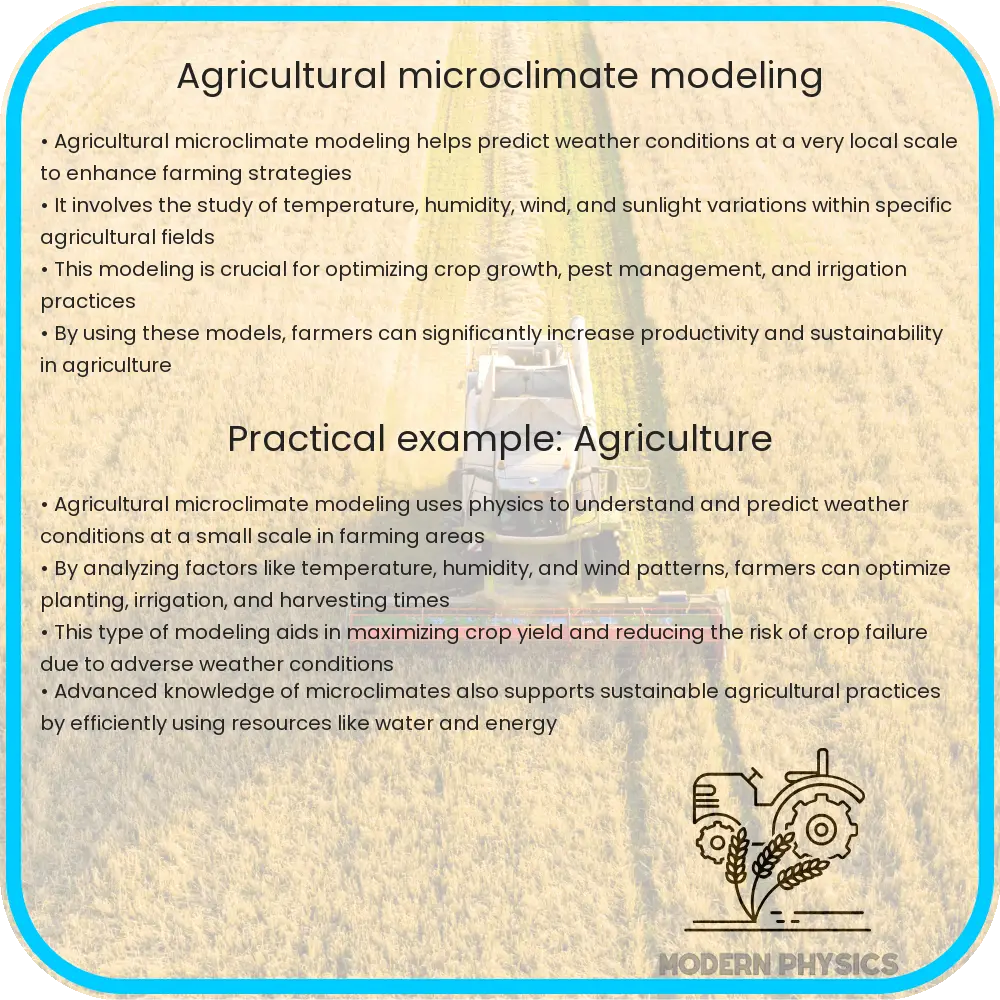
Agricultural microclimate modeling is a pivotal aspect of modern farming that focuses on understanding and predicting climate variables at a very localized level within crop fields. This approach is essential for enhancing precision, maximizing yield, and promoting sustainability in agricultural practices.
What Is a Microclimate?
A microclimate refers to the climate of a small, specific area that may differ from the surrounding general area. These differences can be caused by factors like altitude, orientation of the land, and the presence of water bodies. In agriculture, microclimates directly affect the plants’ growth, disease prevalence, irrigation needs, and overall productivity.
The Role of Microclimate Modeling in Agriculture
Microclimate modeling involves using various tools and technologies to simulate and analyze the agricultural microclimate. This modeling provides farmers with valuable insights into how different environmental factors can locally influence crop performance. Here’s how it plays a crucial role:
- Precision Farming: By understanding microclimates, farmers can apply resources—such as water, fertilizers, and pesticides—more efficiently and only where needed, reducing waste and increasing crop performance.
- Yield Optimization: Tailoring farming practices based on microclimate data helps in addressing the specific needs of crops at a much finer scale, potentially increasing the agricultural yield.
- Enhancing Sustainability: With better resource management and reduced need for chemical inputs, microclimate modeling leads to more sustainable farming practices, minimizing the environmental impact.
Techniques and Tools in Microclimate Modeling
The tools and techniques used in microclimate modeling range from simple instruments such as thermometers and humidity sensors to advanced satellite imaging and Geographic Information Systems (GIS). More sophisticated approaches include:
- Data Collection: Sensors placed across the field collect real-time data on parameters like temperature, humidity, soil moisture, and light intensity.
- Simulation Models: Computer models simulate various conditions and predict their effects on crop growth and health.
- Remote Sensing: Satellite or aerial imagery provides larger-scale environmental changes, which are crucial for adjusting farm-level decisions.
The integration of these technologies not only aids in understanding and predicting microclimatic changes but also enhances the granularity and accuracy of agricultural practices.
Case Study: Using Microclimate Models for Vineyard Management
Vineyards are particularly sensitive to microclimate conditions due to the specific climate needs of grapevines and the quality of the grapes. In a study conducted in a Californian vineyard, microclimate models were used to assess the impact of fog patterns on grape maturation. Sensors measured temperature and humidity levels, while simulation models provided insight into potential disease outbreaks. The findings allowed vineyard managers to optimize pruning and watering schedules, significantly improving grape quality and yield.
Such precise modeling not only helps in maximizing output but also ensures the sustainable use of natural resources, paving the way for more scientific and informed farming practices.
Future Prospects of Agricultural Microclimate Modeling
The future of agricultural microclimate modeling looks promising, with emerging technologies playing a significant role. Innovations such as AI and machine learning are poised to improve the accuracy of predictive models further. These technologies can analyze vast amounts of data from various sources to provide even more precise recommendations for farmers.
Another exciting development is the integration of IoT (Internet of Things) technologies with microclimate modeling. IoT devices can communicate with each other in real-time, enabling immediate responses to any detected changes in microclimate conditions, which could drastically reduce reaction times and enhance adaptive strategies.
Furthermore, the rising importance of sustainable agriculture promotes the adoption of microclimate modeling across the globe. By understanding and adapting to local conditions, farmers can mitigate the effects of global climate change, securing food production for future generations.
Conclusion
Agricultural microclimate modeling represents a crucial interface where technology meets tradition in the pursuit of more efficient, sustainable farming. By comprehensively understanding and adapting to specific local climatic conditions, farmers can significantly enhance their crop yields while minimizing environmental impact.
The role of microclimate modeling in agriculture is expanding as the tools and techniques evolve. With advancements in remote sensing, data analytics, and real-time monitoring systems, the potential for optimizing agricultural practices and outcomes has never been greater. As the agricultural sector continues to embrace these innovations, the reliance on accurate and detailed microclimate models will undoubtedly become a cornerstone of modern agriculture.
In conclusion, as we look towards developing more sustainable and efficient agricultural practices, the integration of sophisticated microclimate modeling techniques will likely play a pivotal role. This progression not only aids in overcoming challenges posed by global climate changes but also supports a more balanced and responsible approach to natural resource management in agriculture.